

Introduction
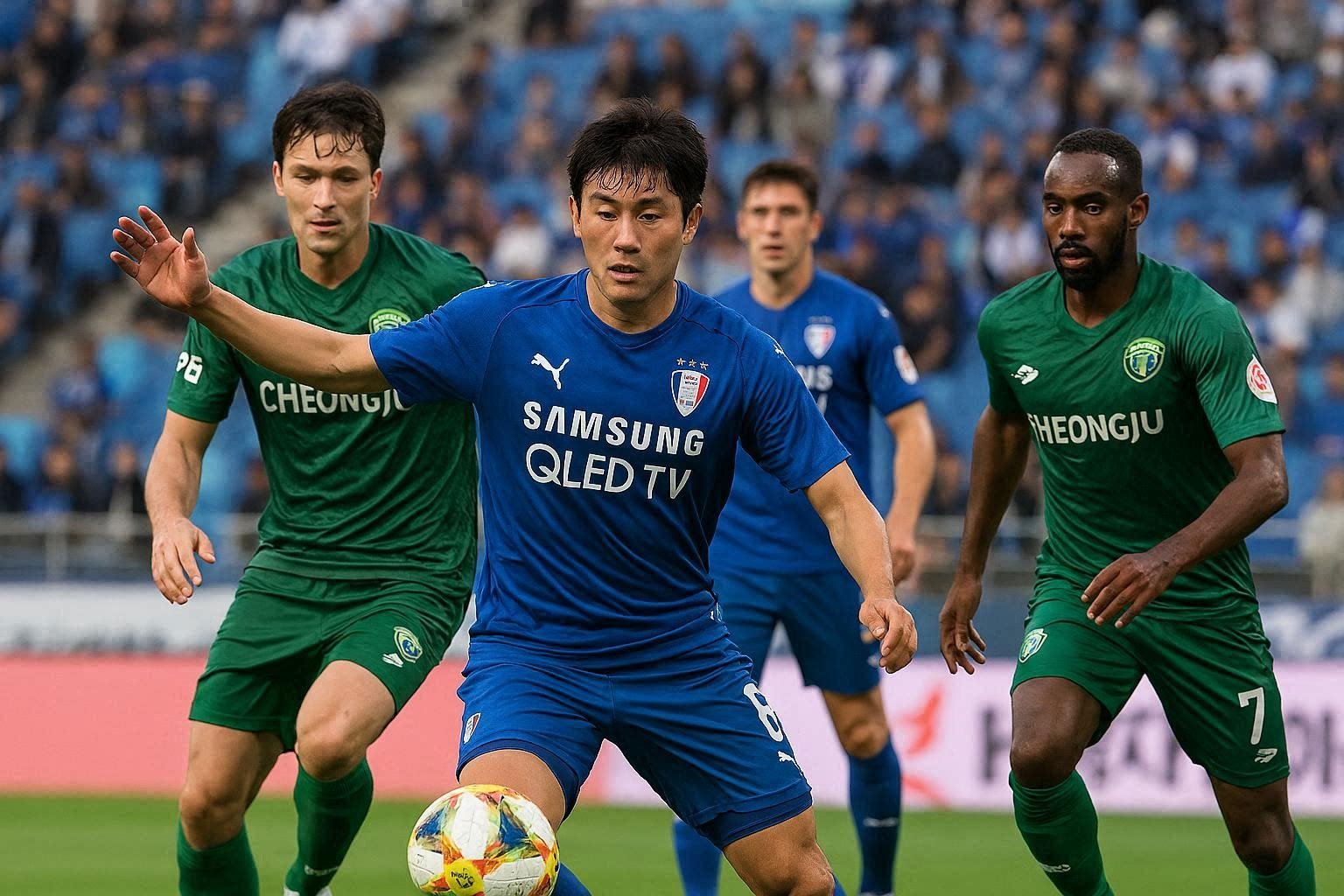
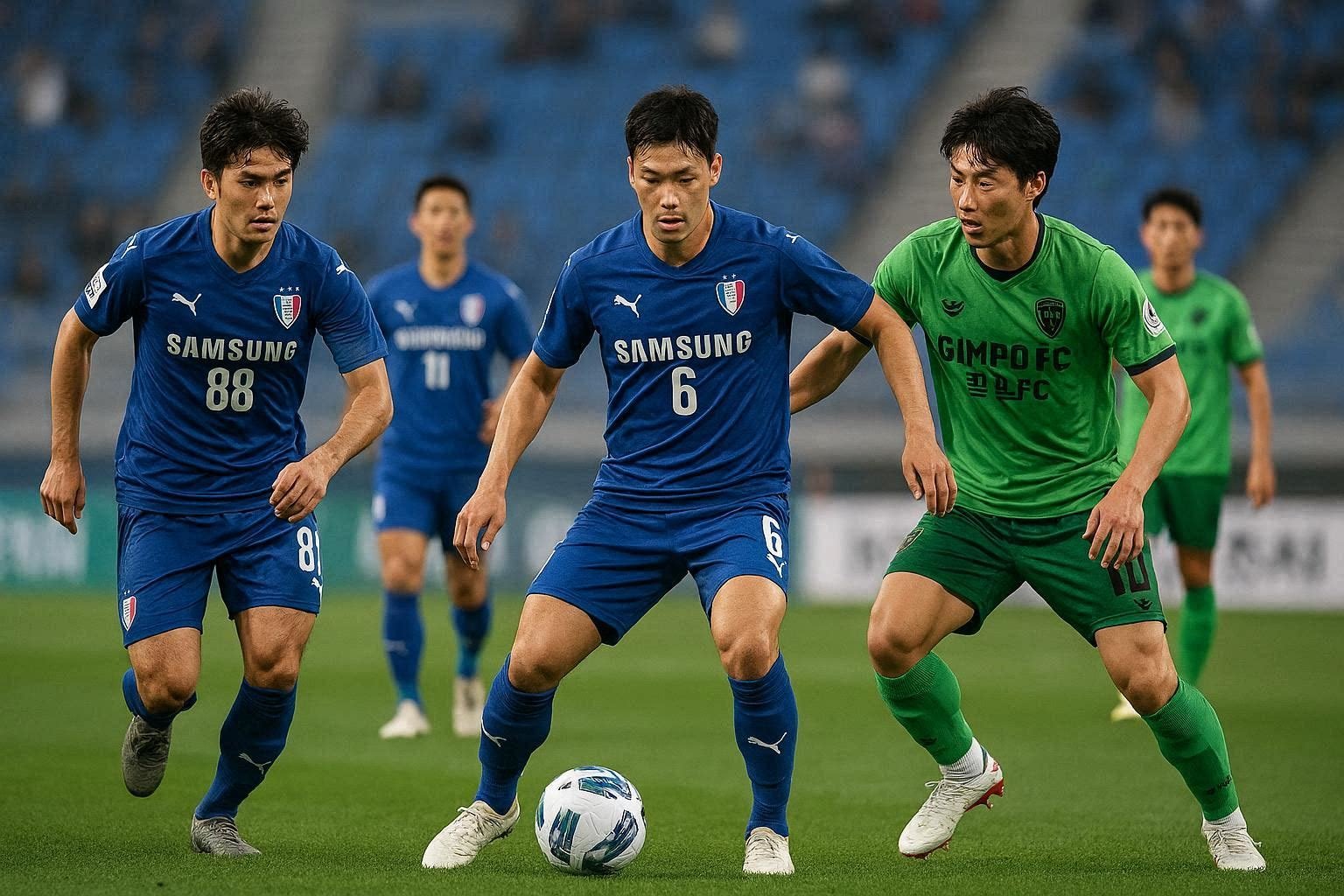
On April 12, 2026, Suwon Samsung Bluewings faced Gimpo FC in another K League 2 fixture.
While the scoreline captured immediate attention, the deeper narrative of the match revolved around squad rotation,
player development, and the broader structural lessons that clubs in Korea’s second division are learning.
For readers of SuwonInsider, this game serves as a case study in how clubs manage depth and rotation within the
constraints of a demanding league calendar.
Squad Rotation and Youth Integration
The Bluewings made a deliberate choice to rotate younger players into the lineup.
This decision reflects a league-wide emphasis on balancing immediate results with long-term talent pipelines.
By giving academy graduates and fringe players meaningful minutes, Suwon is not only preparing for the rigors of the season
but also investing in the future of the club.
Such rotation strategies are not unique to Suwon. Across K League 2, clubs are increasingly aware that
sustainable success requires nurturing young talent while maintaining competitiveness.
The balance is delicate: too much rotation risks short-term results, while too little rotation can stunt player development.
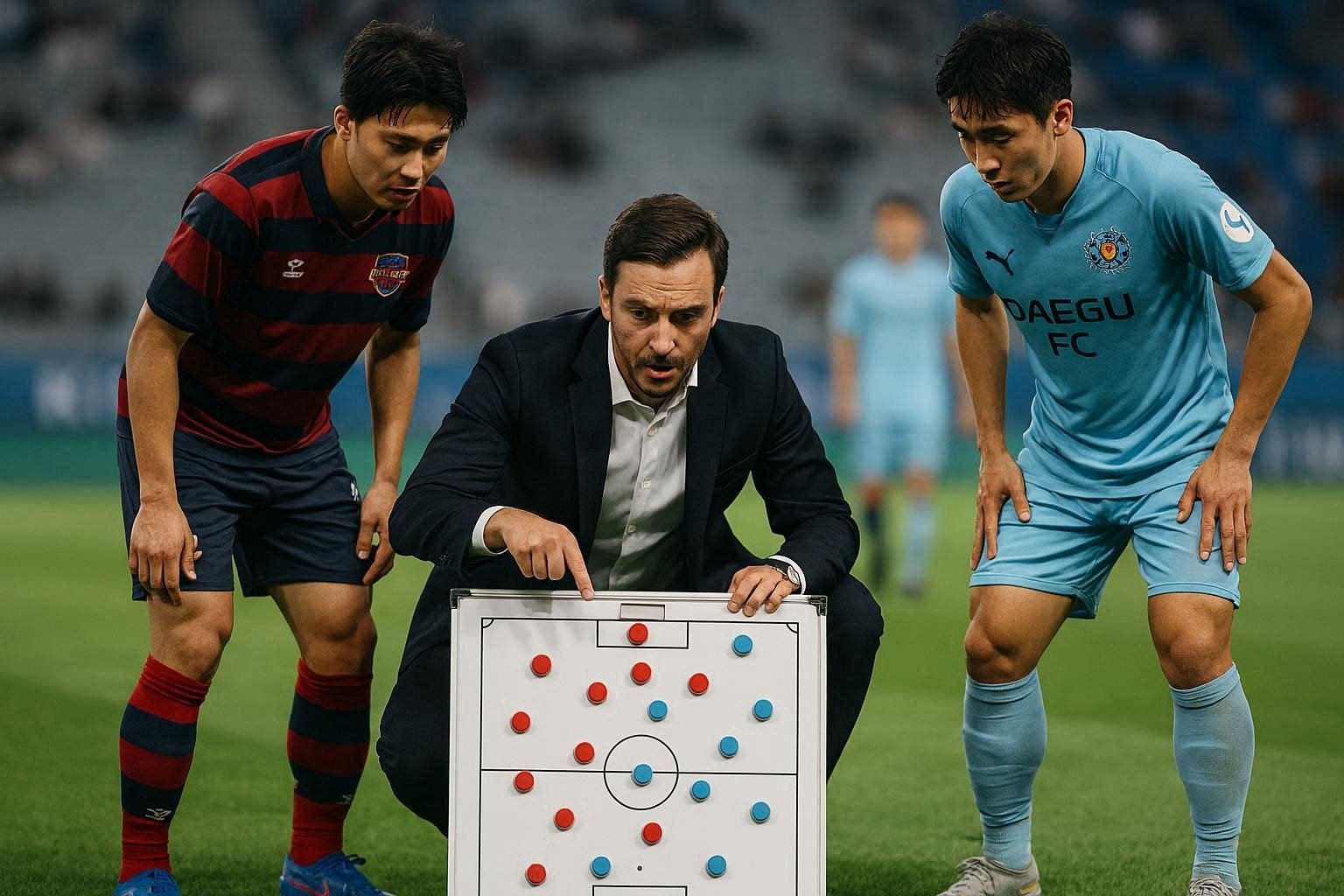
For a tactical comparison, readers can explore
Suwon FC vs. Daegu FC tactical breakdown,
which highlights similar themes of squad depth and rotation in K League 2.
Possession vs. Conversion Efficiency
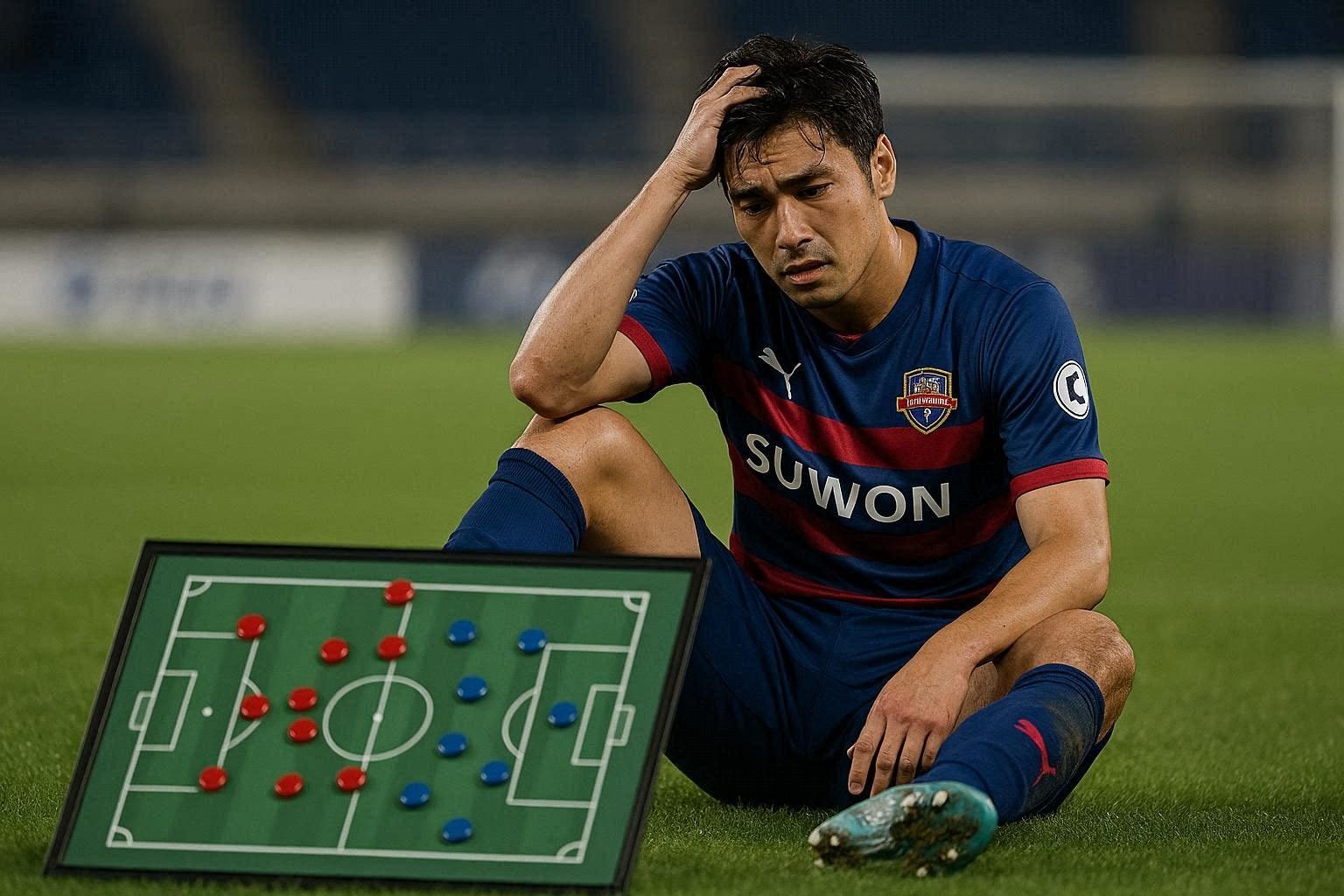
Match data revealed that Suwon Samsung Bluewings dominated possession against Gimpo FC.
However, possession dominance did not translate into goals.
The team struggled with conversion efficiency, underscoring the importance of finishing metrics in evaluating performance.
This disconnect between control and execution is a recurring theme in modern football analytics.
Clubs worldwide face similar challenges. For instance,
UEFA’s official site often publishes match reports that highlight possession statistics
alongside expected goals (xG) metrics, reminding fans and analysts alike that control of the ball is only one part of the equation.
Structural Lessons for K League 2
The Bluewings vs. Gimpo FC fixture illustrates broader structural lessons for K League 2 clubs.
First, squad rotation is not merely a tactical choice but a structural necessity in a league with congested schedules.
Second, player development must be integrated into competitive fixtures rather than relegated to training sessions.
Finally, performance evaluation must go beyond possession metrics to include finishing efficiency, defensive resilience,
and adaptability.
These lessons resonate with global football trends.
FIFA’s development programs emphasize the importance of youth integration and
holistic performance analysis, aligning with the strategies seen in Korea’s domestic leagues.
Fan Engagement and Community Insight
For fans, the Bluewings’ rotation strategy sparked lively debate across online communities.
Supporters praised the opportunity given to younger players, while others worried about the immediate impact on results.
This tension reflects the dual identity of football clubs: institutions tasked with winning games today while
building sustainable futures for tomorrow.
Platforms like K League official site and independent fan forums
provide spaces where these debates unfold, highlighting the role of digital communities in shaping narratives around squad rotation.
Comparative Case Studies
Looking beyond Korea, similar squad rotation strategies can be observed in European leagues.
Clubs in the English Championship, for example, face grueling schedules that demand careful management of player workloads.
Rotating younger players into competitive fixtures is often seen as a way to balance immediate competitiveness with
long-term sustainability.
Analysts at The Guardian Football have frequently discussed
how rotation policies impact both team performance and player development, offering comparative insights that
resonate with the Bluewings’ approach.
Conclusion
The Suwon Samsung Bluewings vs. Gimpo FC match on April 12, 2026, was more than a fixture in K League 2.
It was a microcosm of the challenges and opportunities facing clubs in Korea’s second division.
Squad rotation, youth integration, possession dominance, and conversion efficiency all converged to create
a case study in structural lessons for modern football.
For SuwonInsider readers, the game underscores the importance of analyzing football beyond the scoreline.
It invites fans, analysts, and club officials to consider how rotation strategies, player development,
and performance metrics intersect to shape the future of Korean football.
As K League 2 continues to evolve, these lessons will remain central to the narrative of the league and its clubs.