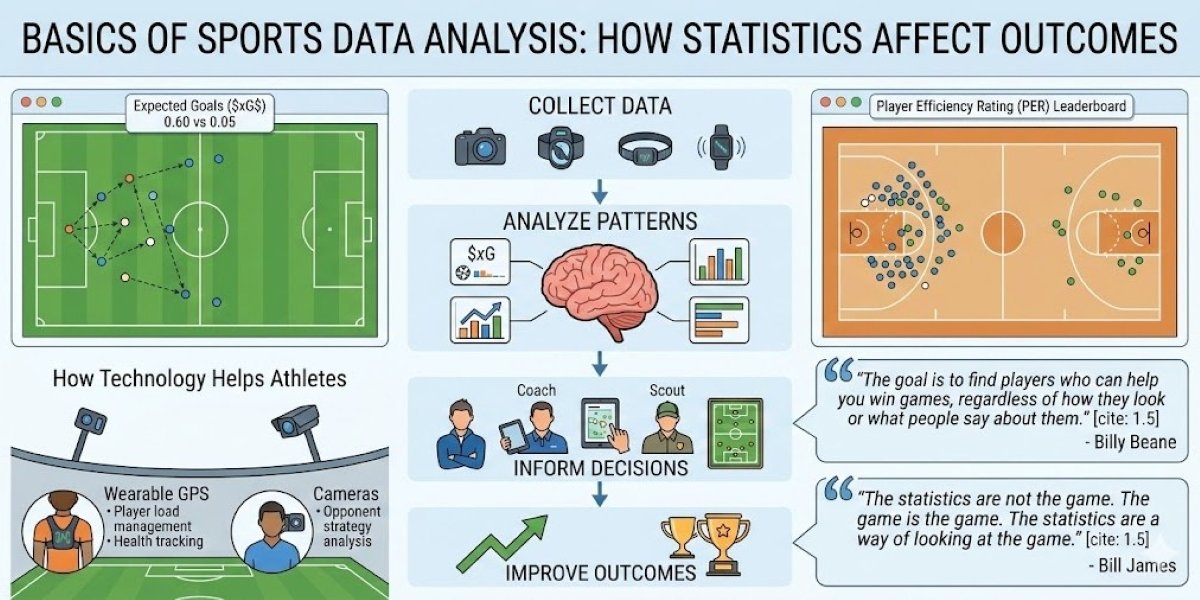

Why Systems Feel Rigged Early On

First Contact Feels Hostile, Not Neutral

Early experiences inside any complex system tend to feel hostile. Not neutral. Not merely difficult. Hostile in a way that feels personal, intentional, and unfair. Beginners often describe the same emotional pattern regardless of the domain. The rules seem opaque, outcomes feel lopsided, and losses arrive with a speed that suggests the system is designed to extract value from newcomers. This perception is so common that many people mistake it for evidence. If it feels rigged, it must be rigged.

That conclusion is understandable. It is also usually wrong.

What beginners are encountering is not deception, but exposure. Systems reveal their structure asymmetrically. They punish before they explain. They deliver consequences long before they deliver context. And because humans are wired to infer intent from pain, early losses are interpreted as proof of bias rather than signals of complexity. This friction often stems from how a well-functioning market can still feel inherently unfair to those who have not yet decoded its underlying mechanics.

The feeling of being rigged is not a property of the system. It is a property of first contact.

The Three Things Beginners Always Lack

When someone enters a system for the first time, they lack three things simultaneously. They lack historical reference, they lack distributional understanding, and they lack emotional calibration. Any one of these would be manageable on its own. Together, they create a perfect storm where normal outcomes feel abnormal and neutral processes feel adversarial.

The absence of historical reference is the most important piece. Beginners experience outcomes as isolated events rather than as points on a long curve. Without memory of past variance, every result feels definitive. A loss is not one loss among many. It is the loss. When outcomes are interpreted individually instead of statistically, randomness feels targeted. The mind looks for a reason, and intent is the easiest explanation to grab.

Distributional understanding is the second missing layer. Most systems operate on uneven distributions. Losses cluster. Wins thin out. Streaks are normal. Plateaus are expected. Early participation exposes people to the widest swings because they are unfiltered by experience. Veterans expect volatility because they have seen it before. Beginners experience the same volatility as betrayal. The system did not warn them, so it must be hiding something. This misreading of variance is closely related to how people mistake short-term patterns for meaning, a dynamic explored in variance and volatility across probabilistic systems.

Emotional calibration is the third factor. New participants have not yet adjusted their expectations to the system’s feedback speed or intensity. Early feedback arrives too fast and too blunt. Losses feel louder than they statistically are because there is no internal volume control yet. Over time, experienced participants learn how much weight to give each outcome. Beginners treat every signal as urgent, every result as diagnostic, every setback as meaningful.

Why Neutral Outcomes Feel Like Targeted Punishment

This is where the idea of rigging takes root. The system feels stacked because it is revealing information before the user has the tools to interpret it. The pain comes first. The explanation comes later, if at all.

Another reason systems feel rigged early on is because beginners confuse symmetry with fairness. Many people enter systems expecting balanced outcomes over short periods. If effort is applied, reward should follow. If rules are followed, results should even out quickly. When that does not happen, the assumption shifts from misunderstanding to accusation.

But fairness in complex systems is not about immediate balance. It is about long-term consistency. Systems are fair over distributions, not over moments. They do not compensate in real time. They do not smooth early losses. They do not care when you entered. From the system’s perspective, there is no beginner phase. There is only participation. This disconnect is closely related to outcome bias—the tendency to judge decisions by their results rather than by the process that produced them.

This mismatch between human expectation and system behavior creates a psychological gap that feels like manipulation. The system keeps taking without explaining. It does not adjust for inexperience. It does not slow down to teach. It simply continues operating as designed.

When Early Wins Make Things Worse

Early success can actually intensify the feeling of rigging later. When a beginner experiences a brief win streak, it sets an internal baseline that the system never promised. The mind anchors to that early outcome and treats it as representative. This is why early outcomes are often mistaken for confirmation rather than recognized as variance.

When randomness inevitably swings the other way, the system feels like it changed the rules.

This is why people often say the system was fair at first and then became rigged. What they are describing is not a shift in mechanics, but a delayed encounter with variance. Early randomness feels like skill. Later randomness feels like sabotage.

The Illusion of Control Collapsing

There is also a control illusion at play. Beginners overestimate how much influence they have over outcomes because they have not yet experienced enough feedback to see where control actually ends. When results diverge from intention, the loss of perceived control feels external rather than structural. It is easier to believe the system is stacked than to accept that control was always limited.

Over time, as participants accumulate experience, the feeling of rigging fades not because the system becomes kinder, but because interpretation improves. Outcomes are no longer read as messages. Losses stop feeling personal. Variance becomes expected instead of suspicious. The system did not change. The lens did.

Why Experience Changes the Narrative

This is why experienced participants rarely describe systems as rigged, even when they acknowledge that outcomes are harsh and uneven. They understand where the edges are. They know which outcomes are noise and which are signal. They have learned to separate emotional discomfort from structural reality.

The early phase feels rigged because it is the phase where misunderstanding is punished most efficiently. Systems do not ease people in. They expose them. The discomfort is not a trap. It is a filter. Those who mistake it for malice leave early. Those who stay long enough to understand it stop calling it unfair.

In that sense, the feeling of rigging is not a warning sign about the system. It is a diagnostic signal about the user’s current level of understanding.

Why Losses Feel Personal At First

For beginners, losses rarely feel neutral. They feel pointed, discouraging, and personal, as if something went wrong because of a mistake or a flaw. This reaction happens quickly, often before any rational analysis has a chance to take place.

Losses feel personal at first because beginners enter betting systems with expectations shaped by everyday learning environments. In most situations, failure is corrective. It signals that something should be changed. Betting systems do not follow that logic. They produce losses even when decisions are reasonable, and they do so without explanation.

Why Losses Are Interpreted As Judgment

In familiar learning settings, negative outcomes usually reflect error. A wrong answer leads to correction. A failed attempt leads to adjustment.

Beginners bring this expectation with them. When a loss occurs, it is interpreted as judgment rather than noise. The system appears to be responding directly to the decision, even when randomness played a dominant role.

Because there is no clear feedback explaining the outcome, beginners assume the meaning themselves. This reaction closely mirrors loss aversion, where the psychological pain of losing is significantly more intense than the joy of an equivalent gain. It also connects to how people misread short-term outcomes under uncertainty, a dynamic explored in the limits of probability in single events.

Why Emotional Reactions Come Before Analysis

Losses trigger immediate emotional responses. Frustration, disappointment, and self-doubt arrive faster than interpretation. This is often exacerbated by negativity bias, a psychological phenomenon where humans give more weight to negative experiences than positive ones.

In fast-feedback systems, there is little time to pause. Emotional reaction becomes the default response. Reflection feels secondary, and often unnecessary in the moment. This timing matters. Once emotion sets the frame, analysis tends to follow it rather than correct it.

Why Beginners Expect Losses To Teach

Beginners often believe losses exist to guide improvement. They expect losses to highlight mistakes. In betting systems, losses are common regardless of decision quality. Without understanding variance, beginners assume every loss contains a lesson.

When no clear lesson appears, frustration grows. The loss feels unfair because it did not provide guidance. This expectation is part of a broader pattern seen when additional information suggests systems feel rigged early on, not because they are biased, but because they expose outcomes before participants understand how to interpret them.

Why Identity Gets Involved Early

Losses threaten identity. Early participation is often tied to confidence and self-assessment. A loss feels like evidence that something is wrong with one’s judgment. This personal framing intensifies emotion. Instead of evaluating the system, beginners evaluate themselves. Once identity is involved, losses feel heavier and harder to process objectively.

Why Clusters Of Losses Amplify The Effect

When losses occur close together, they feel intentional. Patterns are inferred even when none exist. Beginners interpret clusters as signals that the system is turning against them. This reinforces the belief that losses are personal or targeted. The emotional response grows stronger as interpretation replaces probability.

Why The System Does Not Correct This Feeling

Betting systems do not explain losses. They do not separate noise from signal. They simply move on to the next outcome. Without guidance, beginners assume their interpretation is correct. The silence feels like confirmation. This absence of correction allows personal framing to persist.

Why Experience Slowly Changes This Perception

With time, some participants learn that losses are not judgments. They recognize variance and detach emotionally. But this shift is not automatic. It requires reframing expectations about what losses represent. Until that reframing happens, losses will continue to feel personal.

Losses feel personal at first because beginners expect systems to teach through correction. Betting systems do not. They expose participants to uncertainty without explanation. Until that mismatch is understood, emotional reactions will dominate interpretation.

Why Simple Explanations Feel Safer Than Accurate Ones

When people face uncertainty, their first instinct is to seek reassurance rather than precision. Simple explanations provide that relief by reducing complexity, shortening the narrative, and offering emotional closure. A simple explanation feels safe because it makes a chaotic situation understandable, even when it distorts reality.

In betting systems, this preference becomes especially strong. Outcomes are produced without explanation, and uncertainty is a constant. An accurate explanation usually requires enduring ambiguity, probability, and delayed understanding all at once. A simple explanation feels safer because it replaces uncertainty with certainty, even if that conviction is false.

Why the Brain Seeks Closure Under Uncertainty

Uncertainty causes discomfort. The human mind is designed to reduce that discomfort as quickly as possible. Simple explanations achieve this by providing definitive answers to questions. They eliminate open-ended thinking and halt further analysis. Accurate explanations, however, often leave questions unresolved. They acknowledge limits and resist tidy conclusions. For a beginner, an unresolved question feels unstable, whereas closure feels like progress. This tendency closely aligns with ambiguity aversion—the preference for known risks over uncertain ones, even when uncertainty carries no additional disadvantage.

Why Simplicity Feels Like Understanding

Understanding and explanation are not the same. Understanding requires integrating complexity, while an explanation often only needs a single story. A simple explanation feels like understanding because it creates coherence. It connects cause and effect in a way that is easy to remember and emotionally satisfying. While an accurate explanation might be closer to the truth, it feels incomplete because it does not provide a clean narrative. This is why people often confuse the feeling of being informed with the fact of being accurate.

This confusion is reinforced by how people reinterpret outcomes after they occur, a pattern closely related to hindsight bias, where uncertainty is retrospectively rewritten as inevitability.

Why Emotional Comfort Matters More Than Accuracy

Accuracy rarely provides an immediate emotional reward, but comfort is instantaneous. Simple explanations reduce anxiety by assigning meaning quickly. They offer reassurance that outcomes are explainable and manageable. In contrast, accurate explanations can amplify anxiety by highlighting uncertainty and the limits of control. In environments where outcomes have significant emotional impact, comfort usually wins. This is frequently seen in confirmation bias in sports analysis, where we favor information that supports our existing comfort levels or beliefs.

Why Betting Systems Amplify These Preferences

Betting systems reinforce the appeal of simplicity because feedback is frequent and emotional stimulation is high. Every result creates a craving for interpretation. A simple story can be applied immediately. An accurate explanation requires context, time, and aggregation. Within a fast-moving system, there is little patience left to wait for delayed understanding. The system does not directly reward accuracy, it rewards emotional release.

Why Accurate Explanations Feel Unsatisfactory

Accurate explanations often refuse to offer a conclusion. They deal in probabilities rather than certainties and explain trends rather than single events. This makes them feel unsatisfactory in the moment because they fail to resolve the emotional tension caused by a result. Accurate explanations require people to wait, observe, and withhold judgment. To a beginner, such restraint feels like inaction. This psychological burden is a key component of cognitive dissonance, where the brain struggles to reconcile conflicting information or unresolved outcomes.

How Simplicity Protects Identity

Simple explanations protect self-image. They allow a person to explain outcomes without having to doubt their own judgment or ability. Accurate explanations often require admitting to limitations, mistakes, or the role of luck, which can feel threatening. Simplicity provides a way to maintain confidence without facing uncertainty. This protective function makes simple explanations emotionally attractive even when they are misleading.

Why These Preferences Persist Over Time

Experience alone does not eliminate the preference for simplicity. In fact, familiarity can reinforce it. As people become more accustomed to a system, they develop their own preferred explanations that reduce friction. These explanations feel efficient and reliable even if they are inaccurate. Accuracy requires constant effort, but simplicity becomes a habit.

Why This Matters in Learning Systems

Learning depends on the ability to endure uncertainty long enough for true understanding to develop. Progress stops when simple explanations are mistaken for learning. People stop asking deeper questions because they feel they already have the answer. The system continues to produce results, which reinforces belief rather than insight. This dynamic is closely related to related article—where emotional closure replaces skill development.

Simple explanations feel safer because they provide certainty, emotional comfort, and identity protection. Accurate explanations demand patience, humility, and discomfort. In an environment shaped by uncertainty, safety often wins, even when it leads us astray.

Would you like me to help you create a glossary of these cognitive biases to help readers identify them in real-time?

Why Early Success Feels Like Proof

Early success carries an outsized influence on how people interpret betting systems. A few wins at the beginning can feel decisive, as if the system has revealed how it works. Confidence rises quickly. Doubt fades. The experience feels like confirmation rather than coincidence.

This reaction is not irrational. In most learning environments, early success does signal improvement. When someone understands a process, results usually follow. Betting systems break that expectation by delivering outcomes that are weakly connected to understanding in the short term. Early success feels like proof because it fits how people expect learning to work, even when it does not.

Why First Outcomes Set The Narrative

Humans are quick to form stories. The first outcomes someone experiences become the foundation of that story. When early results are positive, the narrative becomes “this makes sense” or “I’m doing something right.” That narrative shapes how all later outcomes are interpreted. Wins reinforce it. Losses are treated as temporary exceptions rather than meaningful signals.

The system itself does not provide a counter-narrative. Outcomes arrive without explanation, leaving beginners to construct meaning on their own. This tendency closely resembles confirmation bias, the habit of interpreting new information in ways that reinforce existing beliefs rather than challenge them, a distortion closely examined in analysis of confirmation bias in sports decision-making.

Why Confidence Forms Faster Than Understanding

Understanding develops through repeated exposure to structure and limits. Confidence develops through emotional reinforcement. Early success provides immediate reinforcement. It triggers certainty before understanding has time to mature. Because confidence feels productive, it is rarely questioned.

This creates a fragile mismatch. People feel more capable than they are informed. When reality eventually diverges from expectation, frustration follows. This feeling is often intensified by hindsight bias, the psychological trap where past events seem more predictable than they actually were, making early wins look like skill in retrospect.

Why Early Success Reduces Curiosity

Once early success establishes a sense of competence, curiosity declines. Questions feel unnecessary. Exploration feels inefficient. Beginners become less likely to examine assumptions or seek deeper understanding. The system appears solved, even though very little has been learned.

This loss of curiosity is subtle. It does not feel like avoidance. It feels like efficiency. Over time, this is reinforced by the same psychological comfort described in additional information, where emotional closure replaces deeper inquiry.

Why Later Losses Feel Unfair

When losses appear after early success, they clash with the established narrative. The system feels inconsistent. Outcomes feel unjust. Instead of being interpreted as part of normal variance, losses feel like interruptions. The belief that early success proved something makes later setbacks harder to accept. This is why early success can accelerate distrust rather than confidence over time.

Why Emotional Memory Locks In Early Results

Emotional experiences are remembered more strongly than neutral ones. Early wins are often vivid and memorable. They anchor expectation. Later outcomes are compared against that emotional benchmark. When reality fails to match it, disappointment feels personal. The mind does not average experiences evenly. It weighs early emotional peaks heavily, even when they are statistically insignificant. This is related to the negativity bias, where the impact of negative feedback often outweighs positive gains in our psychological memory.

Why Systems Do Not Correct This Misinterpretation

Betting systems are not designed to explain themselves. They produce outcomes, not context. There is no signal that says, “This result does not mean what you think it means.” Early success goes unchallenged because the system has no mechanism to teach interpretation. Beginners assume the silence is confirmation.

Why This Pattern Repeats Across Systems

Early success feels like proof in any environment where outcomes are noisy and feedback is emotionally charged. It appears in markets, games, and performance evaluations where short-term results dominate perception. The error is not believing success matters. The error is believing early success is representative.

Understanding this pattern helps explain why confidence often precedes comprehension. Early success feels like proof because it arrives at the exact moment when people are most eager to believe they understand what is happening. In betting systems, that eagerness is rewarded with outcomes that look meaningful long before they actually are.

Would you like me to generate a meta description and a list of tags for this WordPress post to help with its SEO categorization?

Why Beginners Focus On Winning Instead Of Learning

When beginners enter betting systems, they are not looking to misunderstand anything. They are looking for feedback. Winning provides that feedback in the most immediate and emotionally satisfying way possible. It feels clear, decisive, and rewarding. Learning, by contrast, feels slow, abstract, and uncertain.

This imbalance explains why beginners gravitate toward outcomes instead of understanding. Betting systems deliver results without explanation, and beginners naturally assume those results are teaching them something. The system does nothing to correct that assumption.

Why Winning Feels Like Information

Winning delivers emotional clarity. It answers a question quickly: did that work or not? In most learning environments, that answer maps closely to improvement. Correct actions lead to success. Incorrect ones lead to correction.

Betting systems break this link. Short-term wins often reflect variance rather than insight. But because winning feels like a clear signal, beginners treat it as information. The emotional response arrives faster than any statistical reasoning.

The system reinforces this interpretation by remaining silent. There is no feedback explaining what the win represents. Beginners fill that silence with meaning, a tendency closely tied to outcome bias—judging decisions based on results rather than the process that produced them.

Why Learning Feels Invisible At First

Learning in betting systems is largely internal. It involves understanding uncertainty, structure, and limits. None of these produce immediate, visible confirmation.

Beginners struggle with this invisibility. They cannot easily tell whether understanding is improving, because the system does not provide markers for it. Winning, on the other hand, is obvious. It creates a visible sense of progress, even when nothing durable has changed. This confusion between frequency and value is a core reason why veterans prioritize win rate versus expected value, realizing that a high frequency of wins can still lead to long-term failure if the underlying math is ignored.

Why Early Wins Shape Identity

Early wins do more than create confidence. They shape identity. Beginners start to see themselves as capable, intuitive, or “getting it.”

Once that identity forms, learning becomes less urgent. Curiosity declines. Reflection feels unnecessary. When losses appear later, they threaten the identity rather than informing understanding. This dynamic mirrors why early success feels like proof—where confidence forms before comprehension has a chance to develop.

This makes learning emotionally costly. It requires revising the story about oneself, which is harder than chasing another win.

Why Systems Reward Outcome Attention

Betting systems are built to surface outcomes, not explanations. Wins and losses are visible. Structure and expectation are not.

This design is not deceptive. It reflects the system’s purpose. But it creates an environment where paying attention to outcomes feels natural and paying attention to learning feels optional. Beginners respond to what the system highlights. They are not ignoring learning. They are following the cues they are given.

Why Emotional Reinforcement Outpaces Insight

Emotional reinforcement arrives immediately. Insight accumulates slowly. The human brain is wired to prioritize fast rewards over delayed understanding. Each win strengthens the belief that winning itself is the goal. Each loss becomes something to overcome emotionally rather than interpret intellectually.

Over time, the focus shifts fully to outcomes. Learning becomes secondary because it does not produce the same emotional payoff. This prioritizes the immediate dopamine hit over the long-term stability of a calculated approach.

Why Losing Rarely Triggers Learning Early On

Losses feel discouraging, not educational. Beginners often respond by trying to restore emotional balance rather than extract insight. Instead of asking what a loss represents, they ask how to avoid feeling that way again. This pushes behavior toward chasing wins rather than building understanding.

Learning requires emotional distance. Beginners rarely have that distance early on. Without it, every negative result is a crisis to be solved rather than a data point to be analyzed.

Why This Pattern Is Predictable

This focus on winning is not a mistake unique to betting. It appears in any system where outcomes are frequent, emotionally charged, and loosely connected to understanding. Beginners are not choosing the wrong goal. They are responding to a system that makes winning feel like progress and learning feel abstract.

Until that mismatch is recognized, outcomes will continue to dominate attention. Winning will feel like learning, even when it is not.

Would you like me to create a summary table that compares the emotional traits of “Outcome Thinking” versus the analytical traits of “Expected Value Thinking”?

What Beginners Misunderstand About Betting Systems

Most beginners do not misunderstand betting systems because they lack effort or intelligence. They misunderstand them because betting systems behave differently from the environments people usually learn in. Outcomes arrive without explanation, feedback is noisy, and results feel emotionally meaningful long before they are statistically meaningful.

Beginners expect systems to teach them. Betting systems do not. They deliver outcomes, not instruction. The gap between those expectations is where most confusion begins.

Why Beginners Treat Winning As Learning

In everyday life, success usually signals improvement. Correct answers are rewarded. Mistakes are corrected. Over time, feedback aligns closely with understanding. However, psychological principles regarding variable ratio schedules show that intermittent rewards, like those found in betting, can create powerful habits even when the reward is not tied to skill.

Betting systems break that relationship. Early wins are often driven by variance, not insight. Yet beginners naturally treat those wins as proof that something is working. The system does nothing to contradict that interpretation, because short-term outcomes are not designed to explain themselves.

Winning feels educational because it feels clear. Learning, in contrast, is slow and ambiguous. Beginners gravitate toward the signal that feels decisive. This tendency reflects confirmation bias, the habit of interpreting outcomes in ways that reinforce what one already believes. To counter this, advanced participants often utilize a structured sports analysis methodology that prioritizes data and context over individual results.

Why Early Success Carries Too Much Weight

Early outcomes shape expectations disproportionately. A small sequence of wins can define how a beginner understands the entire system. Confidence forms before enough information exists to justify it.

Once that narrative is established, later losses feel inconsistent rather than expected. The system appears to change, even though it has behaved the same way from the start. Beginners are not reacting to outcomes alone. They are reacting to a broken expectation.

Why Losses Feel Personal Instead Of Informational

Losses are rarely experienced as neutral data points at the beginning. They feel personal. Something went wrong. Someone made a mistake. The system feels hostile or unfair.

This reaction comes from assuming losses are meant to teach. In betting systems, losses often occur even when decisions are sound. Without that context, beginners interpret losses as judgment rather than noise — a dynamic that echoes the idea that losses do not function as punishment in environments where negative outcomes are frequent but not informative.

The emotional response grows stronger when losses cluster, reinforcing the belief that outcomes are targeted rather than random.

Why Simple Stories Feel Safer Than Accurate Ones

Betting systems are abstract. Outcomes emerge from probability, participation, and structure, not from clear cause-and-effect relationships. Beginners prefer explanations that reduce this complexity.

Simple narratives offer emotional closure. They turn uncertainty into something understandable. Concepts like luck, streaks, or unfairness feel reassuring because they assign meaning quickly. This mirrors why simple explanations feel safer than accurate ones, where emotional comfort is mistaken for understanding.

Accurate explanations require holding uncertainty without resolution. For beginners, that feels unstable. Simplicity wins because it lowers discomfort, not because it reflects reality.

Why Frequency Gets Confused With Skill

Frequent feedback creates the illusion of control. Each outcome feels like a response to recent behavior. Winning often feels like competence, regardless of magnitude or long-term relevance.

Beginners tend to focus on how often they win rather than what those wins represent. Frequency is visible and emotionally reinforcing. Long-term value is not.

This confusion persists because the system highlights outcomes while hiding structure. Beginners respond to what they can see.

Why Fairness Is Expected To Feel Balanced

Beginners often assume fairness means symmetry. Wins and losses should alternate. Good decisions should be rewarded quickly. Bad ones should be punished.

When this expectation fails, trust erodes. The system feels broken because it does not match intuitive ideas of justice.

In reality, betting systems are procedurally fair, not emotionally fair. They apply rules consistently, not compassionately. Beginners usually learn this distinction only after frustration accumulates.

Why Experience Alone Does Not Correct These Errors

Time spent in the system does not automatically produce understanding. Repetition increases familiarity, not accuracy.

Without improved interpretation, experience reinforces the same misunderstandings. Confidence grows faster than calibration. People feel seasoned while continuing to misread signals. This is why some misconceptions persist well beyond the beginner phase. The system rewards exposure with confidence, not comprehension.

Why These Misunderstandings Are Structural

None of these misunderstandings is unique to betting. They appear in any system where outcomes are uncertain, feedback is frequent, and explanations are absent.

Beginners are not failing. They are responding normally to an environment that delivers results without teaching how to interpret them. The system produces outcomes, not lessons.

Betting systems feel confusing, not because they are opaque, but because they operate differently from how people expect learning and fairness to work.

Would you like me to create a comparison chart between “Procedural Fairness” and “Emotional Fairness” to help clarify these structural misunderstandings?

Sports Analysis Methodology: How Data, Context, and Strategy Are Evaluated

Sports analysis methodology refers to the structured approach used to evaluate sporting events, team performance, and player outcomes. It combines data analysis, contextual understanding, and strategic reasoning to interpret results and trends.

This article provides an educational overview of sports analysis methodology, focusing on how analysts study sports performance rather than predicting or promoting outcomes.

What Is Sports Analysis Methodology?

Sports analysis methodology is the process of:

  • Collecting relevant performance data

  • Interpreting statistics within context

  • Identifying patterns and trends

  • Evaluating performance objectively

It is widely used in coaching, sports media, academic research, and performance evaluation. Utilizing a framework for systematic understanding of sports analysis ensures that these evaluations remain objective and repeatable.

Core Components of Sports Analysis

Quantitative Data

  • Match statistics

  • Player metrics

  • Historical performance records

Qualitative Context

  • Team tactics and strategy

  • Player roles and conditions

  • Game situations and momentum

Comparative Evaluation

  • Team vs team comparisons

  • Player matchups

  • Trend analysis over time

Common Sports Analysis Methods

  • Statistical Analysis: Uses numerical data to identify patterns, averages, and outliers. A key challenge at this stage is distinguishing raw probability from how likelihood is represented or perceived, which is why understanding the difference between probability and implied probability is essential when interpreting numerical outputs rather than taking them at face value. This distinction sits at the heart of modern analytical practice, where methodology must integrate data with context rather than treating numbers as standalone truth—a principle explored further in sports analysis methodology that evaluates data, context, and strategy together.

  • Performance Metrics: Focuses on efficiency, consistency, and contribution rather than raw results.

  • Video and Tactical Review: Examines positioning, movement, and strategic decisions during play.

  • Situational Analysis: Considers external factors such as home vs away performance, schedule congestion, and injuries.

Why Methodology Matters in Sports Analysis

Without a structured methodology:

  • Data can be misleading

  • Context may be ignored

  • Conclusions may lack consistency

A clear methodology improves accuracy, repeatability, and credibility. This mirrors broader principles in data analysis, where conclusions must be grounded in method rather than isolated outcomes—a concept well outlined in statistical analysis fundamentals.

Limitations of Sports Analysis

Even with strong methodology:

  • Sports outcomes remain unpredictable

  • Data may be incomplete

  • Human performance varies

Analysis informs understanding but does not guarantee outcomes.

Educational and Academic Applications

Sports analysis methodology is used in:

  • Sports science programs

  • Coaching education

  • Media analysis

  • Performance research

It supports evidence-based decision-making.

Sports analysis methodology combines data, context, and structured evaluation to better understand athletic performance. While no method eliminates uncertainty, disciplined analysis improves clarity and insight.

Responsible Betting Guide: Understanding Limits, Risks, and Awareness

Responsible betting focuses on awareness, self-control, and understanding risk. Regardless of legal status or activity type, responsible practices help individuals make informed decisions and avoid potential harm.

This guide provides an educational overview of responsible betting, emphasizing awareness rather than promotion.

What Is Responsible Betting?

Responsible betting refers to a set of principles that encourage individuals to:

  • Understand the risks involved

  • Set personal limits

  • Avoid emotional or impulsive decisions

  • View betting as entertainment, not income

It prioritizes well-being over outcomes. Understanding these boundaries is part of a broader responsible betting guide that focuses on limits, risk, and awareness.

Why Responsible Betting Matters

Without awareness and limits, betting-related activities can lead to:

  • Financial stress

  • Emotional strain

  • Disrupted daily routines

Responsible practices help maintain balance and reduce negative impact.

Key Principles of Responsible Betting

Set Clear Limits

  • Decide spending limits in advance

  • Avoid chasing losses

  • Never bet money needed for essentials

Understand the Odds

  • Learn how probability works

  • Recognize that outcomes are uncertain

  • Avoid overconfidence

A common source of misunderstanding at this stage is confusing numerical likelihood with perceived chance, which is why understanding the difference between probability and implied probability is essential for realistic expectation-setting.

Manage Time and Emotions

  • Take breaks regularly

  • Avoid betting when stressed or emotional

  • Keep activities in perspective. This emotional regulation is a critical skill for those navigating confidence inflation in feedback-heavy systems, where frequent results can distort one’s sense of control.

Recognize Warning Signs

  • Loss of control

  • Increasing risk-taking

  • Hiding behavior from others

Tools That Support Responsible Betting

Many regulated environments provide:

  • Deposit and spending limits

  • Self-exclusion options

  • Reality checks and reminders

  • Educational resources

These tools exist to promote safer participation and long-term awareness.

Cultural and Social Awareness

Attitudes toward betting vary by culture and region. In many societies, responsibility and moderation are emphasized to prevent harm and protect vulnerable individuals.

Understanding cultural context helps promote healthier discussions and policies. Many of these principles align with widely accepted standards outlined in responsible gambling guidelines used in consumer education and policy discussions.

When to Seek Support

If betting begins to negatively affect:

  • Finances

  • Relationships

  • Mental well-being

Seeking professional support or guidance is an important step.

Conclusion

Responsible betting is about informed awareness, personal limits, and understanding risk. Education and self-regulation play a key role in reducing harm and supporting balanced decision-making.

Would you like me to develop a self-assessment questionnaire based on these warning signs to help readers monitor their own behavior?

Difference Between Probability and Implied Probability in Sports Betting

Here is the updated article with the external link replaced with a focused academic resource on probability and risk.

Sports betting often looks like a game of prediction, but its internal logic is built on pricing. The numbers on a sportsbook screen are not statements about what will happen. They are mathematical expressions of probability, adjusted to function as prices in a risk-managed market. Understanding the difference between probability and implied probability is the key to reading those numbers correctly.

Without this distinction, odds can feel misleading or arbitrary. With it, they become easier to interpret as part of a structured system rather than a set of guesses.

What Probability Means in Theory

Probability describes how often an outcome would occur if the same event could be repeated an unlimited number of times under identical conditions. It is a theoretical concept grounded in mathematics rather than certainty.

In sports, true probability is never directly observable. Games are influenced by:

  • Human decision-making and performance variability
  • Incomplete or imperfect data
  • Changing conditions such as injuries, weather, and tactics

As a result, probability in sports is always an estimate. Analysts may use historical data, simulations, or statistical models, but the final number remains an approximation of reality, not a fact.

True probability exists independently of betting markets. A team’s chance of winning does not change simply because odds move.

What Implied Probability Actually Represents

Implied probability is derived directly from odds. It answers a different question: what likelihood does this price suggest once it is converted into percentage form.

For example:

  • Decimal odds of 2.00 imply a 50% chance
  • American odds of -110 imply a 52.4% chance
  • American odds of +150 imply a 40% chance

These percentages do not describe how often the outcome will occur in reality. They describe how the outcome has been priced.

Implied probability is a market output, not a prediction. It reflects:

  • The structure of the odds format
  • The sportsbook’s margin
  • Risk management considerations
  • Market behavior and demand

A step-by-step breakdown of how these conversions work can be found in how to calculate odds, which focuses on the mechanics rather than interpretation. A deeper structural explanation of how pricing embeds probability can also be found in how implied probability is embedded within odds.

Why Implied Probability Is Inflated

If sportsbooks offered odds that reflected true probability exactly, they would have no built-in protection against variance. To avoid this, they inflate implied probabilities so the total across all outcomes exceeds 100%.

This excess is known as the overround or vig.

In a two-outcome market:

  • A fair market would total 100%
  • A typical sportsbook market might total 104% to 108%
  • The difference represents the house edge

Because of this inflation, implied probability will almost always be higher than true probability when viewed across the entire market.

This concept aligns with standard explanations of implied probability in financial and betting markets, where price and likelihood are intentionally not the same thing.

Probability Versus Implied Probability in Practice

The gap between probability and implied probability exists because sportsbooks are pricing risk, not forecasting outcomes.

Probability asks:
How often should this happen?

Implied probability asks:
At what price can this be offered while ensuring profitability?

This distinction explains why odds may appear to “disagree” with common sense or statistical models. The sportsbook is not expressing belief. It is offering a price that balances exposure.

Pricing Versus Prediction

Prediction and pricing are often confused, but they serve different purposes.

Prediction is focused on accuracy. It aims to identify the most likely outcome in a specific event. Its success is judged by whether it is right or wrong.

Pricing is focused on sustainability. It aims to manage risk across thousands of events. Its success is judged by long-term financial performance, not by the result of a single game.

Because of this difference:

  • A correct prediction can still be poorly priced
  • An incorrect prediction can still be efficiently priced
  • Odds can move without new information
  • Popular outcomes may be priced shorter than their true probability

Odds are prices first and forecasts only by implication.

How Markets Bridge the Gap

Although implied probability includes margin and distortion, betting markets often become more efficient over time. As information and money flow into the market, prices adjust.

This process, known as price discovery, gradually aligns implied probability closer to collective estimates of true probability. The final price before an event begins, commonly called the closing line, reflects the maximum amount of market input.

Efficiency does not mean accuracy. It means:

  • Large pricing errors are rare
  • Information is quickly incorporated
  • Prices reflect consensus rather than certainty

Why This Distinction Matters

Separating probability from implied probability changes how odds are interpreted.

It clarifies that:

  • Odds are economic signals, not statements of truth
  • Percentages derived from odds include structural bias
  • Market movement reflects money as much as information
  • Betting markets operate more like exchanges than predictions

Once this logic is understood, the numbers on a sportsbook screen become easier to analyze. They stop feeling like opinions and start behaving like prices in a probability-based system.

The Core Idea

Probability describes reality as best as it can be estimated. Implied probability describes how that estimate has been packaged, adjusted, and sold.

Sports betting lives in the space between the two.

How to Calculate Odds: A Simple, Step-by-Step Guide

Understanding how to calculate odds is a foundational concept used in probability, statistics, sports analysis, and everyday decision-making. Whether you’re analyzing outcomes, comparing risks, or just learning probability basics, knowing how odds work helps you make more informed judgments.

This guide explains what odds are, how they differ from probability, and how to calculate them step by step—with clear examples.

What Are Odds?

Odds describe the likelihood of an event happening compared to it not happening. They are commonly expressed as:

  • A ratio (e.g., 3:1)

  • A fraction (e.g., 3/1)

  • A decimal (e.g., 4.0)

Odds do not directly represent probability, though they are closely related.

Odds vs Probability: What’s the Difference?

ConceptMeaning
ProbabilityChance an event happens out of all possible outcomes
OddsRatio of the event happening vs not happening

Example:

If an event has a 25% probability:

  • Probability = 1 out of 4

  • Odds = 1 : 3 (one chance it happens, three it doesn’t)

A deeper discussion of how numerical probability differs from how likelihood is presented in markets is covered in difference between probability and implied probability. This distinction becomes especially important when odds are used as prices rather than pure representations of chance, as further explored in how probability and implied probability diverge in structured markets.

How to Calculate Odds (Basic Formula)

Odds in Favor

$$Odds = \frac{Probability\ of\ Event}{Probability\ of\ Not\ Happening}$$

Odds Against

$$Odds = \frac{Probability\ of\ Not\ Happening}{Probability\ of\ Event}$$

For a more practical look at applying these formulas to real-world scenarios, you can refer to this core guide on odds calculation and probabilistic thinking.

Example 1: Calculating Odds from Probability

If the probability of an event is 40%:

  • Probability of event = 0.40

  • Probability of not happening = 0.60

Odds in favor:

$0.40 / 0.60 = 2 / 3$

👉 Odds = 2 : 3

Example 2: Calculating Odds from Total Outcomes

If there are 10 total outcomes, and 2 are favorable:

  • Favorable outcomes = 2

  • Unfavorable outcomes = 8

Odds in favor:

2 : 8 → simplified to 1 : 4

How to Convert Odds to Probability

Formula:

$$Probability = \frac{Favorable\ Odds}{Favorable + Unfavorable}$$

Example:

Odds = 3 : 1

$Probability = 3 / (3 + 1) = 3 / 4 = 75\%$

This conversion process aligns with standard explanations of odds and probability used in statistics and finance, where odds express relative likelihood rather than certainty.

Common Odds Formats Explained

1. Fractional Odds

Example: 5/1

Means 5 favorable outcomes for every 1 unfavorable outcome.

2. Decimal Odds

Example: 2.50

Represents total return per unit (used for comparison).

3. Ratio Odds

Example: 2:1

Two chances of success for every one chance of failure.

Why Understanding Odds Matters

Knowing how to calculate odds helps with:

  • Risk assessment

  • Data interpretation

  • Statistical reasoning

  • Comparing outcomes objectively

Odds are used in many fields beyond gaming or sports, including finance, insurance, research, and forecasting models.

Common Mistakes When Calculating Odds

  • Confusing probability with odds

  • Forgetting to include unfavorable outcomes

  • Not simplifying ratios

  • Misreading decimal formats

Quick Summary

  • Odds compare success vs failure.

  • Probability measures chance out of total outcomes.

  • Odds can be calculated from probability and vice versa.

  • Understanding odds improves decision-making and analytical skills.

Frequently Asked Questions

Is higher odds always better?

Not necessarily. Higher odds usually mean lower probability.

Can odds be greater than 100%?

No. Probability cannot exceed 100%, but odds ratios can be large.

Are odds exact predictions?

No. Odds represent likelihood, not certainty.

Final Thought

Learning how to calculate odds builds a strong foundation in probability and logical thinking. Once you understand the formulas and concepts, interpreting outcomes becomes faster, clearer, and more accurate.

Would you like me to create a conversion table for fractional, decimal, and American odds to help you switch between formats quickly?