

Digital Safety First: The Real Importance of Security and Privacy on Online Platforms

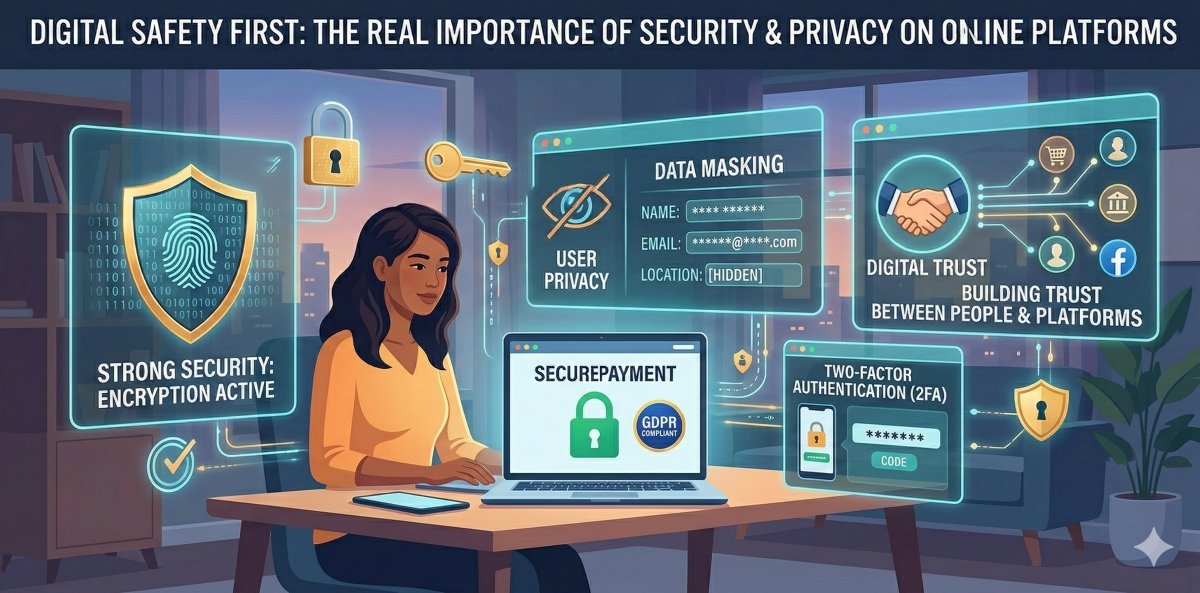
In today’s connected world, we rely on websites and apps for nearly everything—shopping, streaming, chatting with friends, and even paying bills. Each time we log in, we hand over personal information to an online platform. This exchange is a form of digital trust, and when platforms fail to protect it, the consequences can be serious.
Think of your personal data as the key to your home. If a platform leaves that key exposed, anyone can copy it. Now imagine millions of keys left unguarded. This is why security and privacy are not optional—they are the most critical features any digital company must provide.
Trust: The Foundation of Digital Life
Trust underpins the entire internet economy. If you suspected an online store might leak your credit card details, you wouldn’t shop there. When companies suffer data breaches, that trust is broken. To prevent this, businesses invest heavily in firewalls, encryption, and monitoring tools—not only to protect your account but also to safeguard their own reputation and future.
The Real Cost of Poor Security
Weak security doesn’t just risk money—it can affect your identity, safety, and peace of mind. Here are the most common dangers:
Identity Theft
If criminals gain access to your full name, birth date, address, and ID numbers, they can impersonate you. They might open credit cards or take out loans in your name, leaving you with the debt. Recovering from identity theft can take years and significant legal costs.
Account Takeovers
Attackers often use stolen passwords from one site to access others where you reused the same login. A compromised social media password could give them entry into your banking app, allowing them to drain your account instantly.
Phishing Scams
Hackers frequently exploit stolen email lists to send fake messages that look legitimate. These “phishing” emails trick users into clicking links to verify accounts or claim prizes, leading to fraudulent sites that steal more personal data.
Emotional Distress
Beyond financial harm, breaches can expose private conversations, photos, or health records. The emotional impact of knowing strangers have accessed intimate information can be devastating and long-lasting.
Security vs. Privacy: Knowing the Difference
Security and privacy are related but distinct. A trustworthy platform must deliver both:
- Security: The protective wall around your data, built with tools like encryption and two-factor authentication (2FA). For example, 2FA requires both your password and a code sent to your phone, making stolen passwords useless on their own.
- Privacy: How a company uses your data once it’s secured. Strong security means hackers can’t access your location, but poor privacy means the company might sell that information to advertisers without your consent.
In the European Union, GDPR laws safeguard privacy rights, including the “right to be forgotten,” which allows you to request deletion of your personal data. Responsible companies demonstrate respect for privacy with clear, transparent policies.
Key Terms of Digital Safety
| Term | What It Is | How It Protects You |
| Encryption | Scrambles your data into unreadable code | Even if stolen, it cannot be read |
| Two-Factor Authentication (2FA) | A second verification step (e.g., code to your phone) | Makes stolen passwords ineffective |
| Privacy Policy | Explains how your data is used | Shows whether a company respects your choices |
| GDPR | Strict European privacy law | Gives you control over your personal data |
Conclusion
Digital safety is a shared responsibility. Platforms must prioritize strong security and transparent privacy practices, but users also play a role. By creating unique passwords, enabling 2FA, and staying cautious with links, we can build safer online habits. A platform that puts security and privacy first is more than a service—it’s a trusted partner in your digital life.