

Have you ever noticed your heart racing just before a win, or how difficult it feels to put down your phone during a puzzle game? Whether it’s a board game with family, a competitive video game, or a sports app, the urge to play is one of the strongest human drives. But the real reason we play goes deeper than prizes—it’s about how our brains respond to challenge, reward, and connection.
The Happy Chemical: Dopamine
Inside the brain, dopamine acts as a natural reward system. Dopamine is released when we solve problems, learn something new, or achieve a goal. It creates feelings of excitement, energy, and satisfaction.
Games are designed to trigger dopamine. Leveling up, unlocking achievements, or hitting a “big win” sparks that chemical rush. Too little challenge feels boring, while too much feels frustrating. The best games sit in the sweet spot—challenging enough to engage, but achievable enough to reward.
The Power of Near-Wins
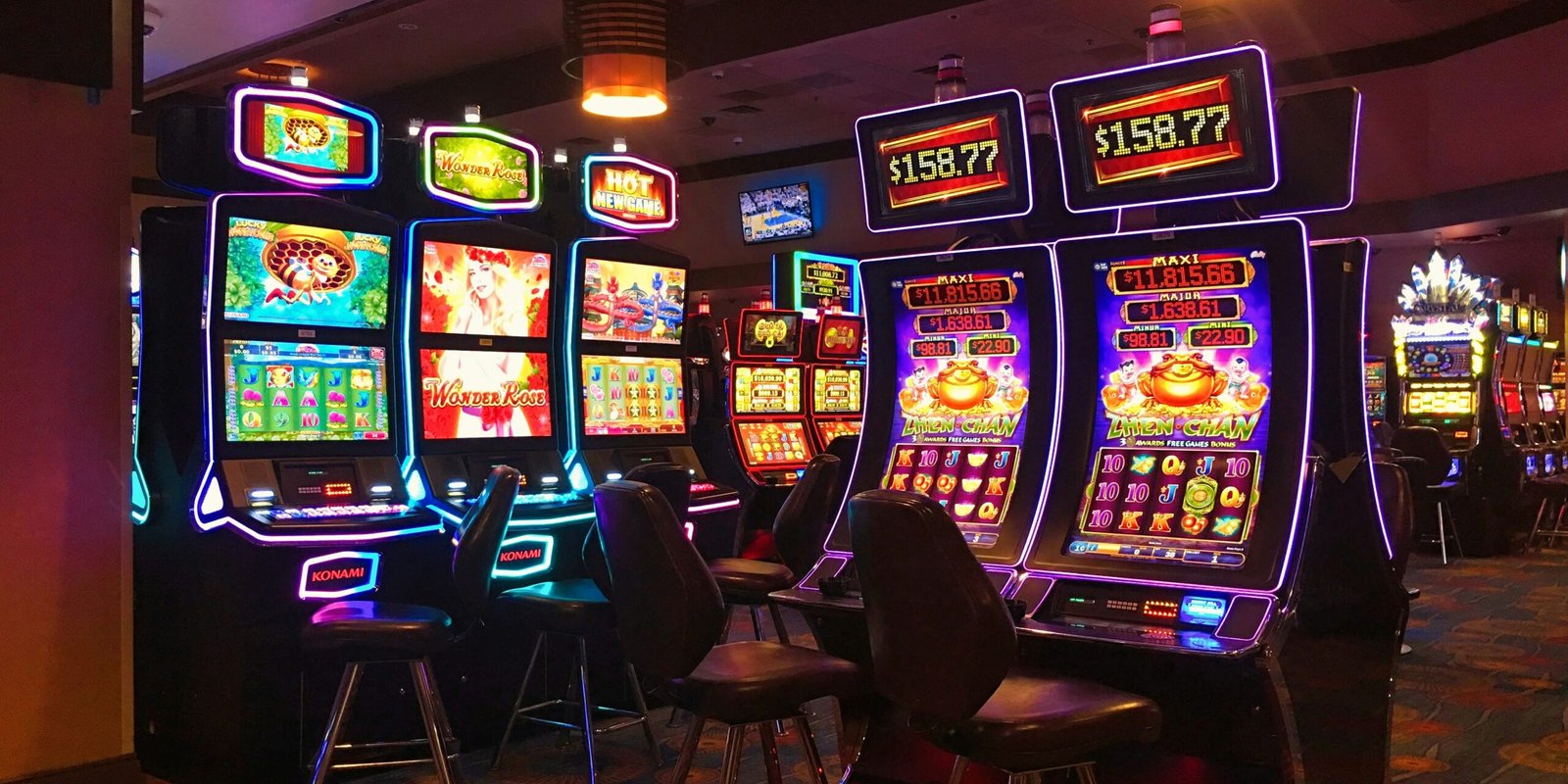
One fascinating aspect of gaming psychology is the Near-Miss Effect. Imagine needing three matching symbols to win, and the third symbol stops just short. Even though you lost, your brain interprets it as “almost winning.”
This near-win can be more motivating than an actual win, fueling the desire to try again. While some exploit this effect to keep players hooked, in healthy games it simply adds excitement and keeps engagement high.
Escape from the Real World
Games also provide an escape from stress and noise. Within a game, rules are clear and goals are defined. This creates a state known as “Flow”—a mental condition where focus is so deep that time seems to disappear.
Flow is calming and restorative, like stepping into a quiet room away from daily worries. For many, gaming is a way to relax and recharge after a long day.
The Social Connection
Humans are social by nature, and gaming taps into that need. Even when playing alone on a phone, players often seek community through chat rooms, online groups, or shared experiences.
Seeing others cheer, share tips, or celebrate creates “social proof,” making the experience feel safer and more enjoyable. Still, it’s wise to remain cautious—some platforms use fake players or bots to simulate activity. Smart players enjoy the community but stay alert to potential manipulation.
The Sunk Cost Trap
While gaming is fun, it carries a psychological trap known as “Sunk Cost.” This occurs when players feel compelled to continue because they’ve already invested time or money.
The brain says, “I’ve already spent $10, I can’t stop now.” But logically, that money is gone. The healthiest choice is to focus on the next moment, not the past investment. Learning to walk away is one of the most important skills a player can develop.
How to Stay a Smart Player
Understanding how your brain responds to gaming helps you stay in control. Here are three simple rules:
- Watch the Clock: Flow makes time disappear, so set an alarm before you start playing.
- Check Your Mood: Playing while angry or sad won’t provide lasting relief. Play when calm for the best experience.
- Verify Platforms: Bright graphics and near-wins can trick the brain. Always check that the site or app is legitimate before trusting it.
Conclusion
We play because it’s part of being human. Our brains crave rewards, focus, and social connection. By understanding dopamine, the near-miss effect, flow, and the sunk cost trap, we can enjoy gaming as entertainment while avoiding unhealthy patterns. In 2026, smart gaming means making choices that keep play fun, safe, and under your control.