

Introduction: A Sudden Halt to Momentum
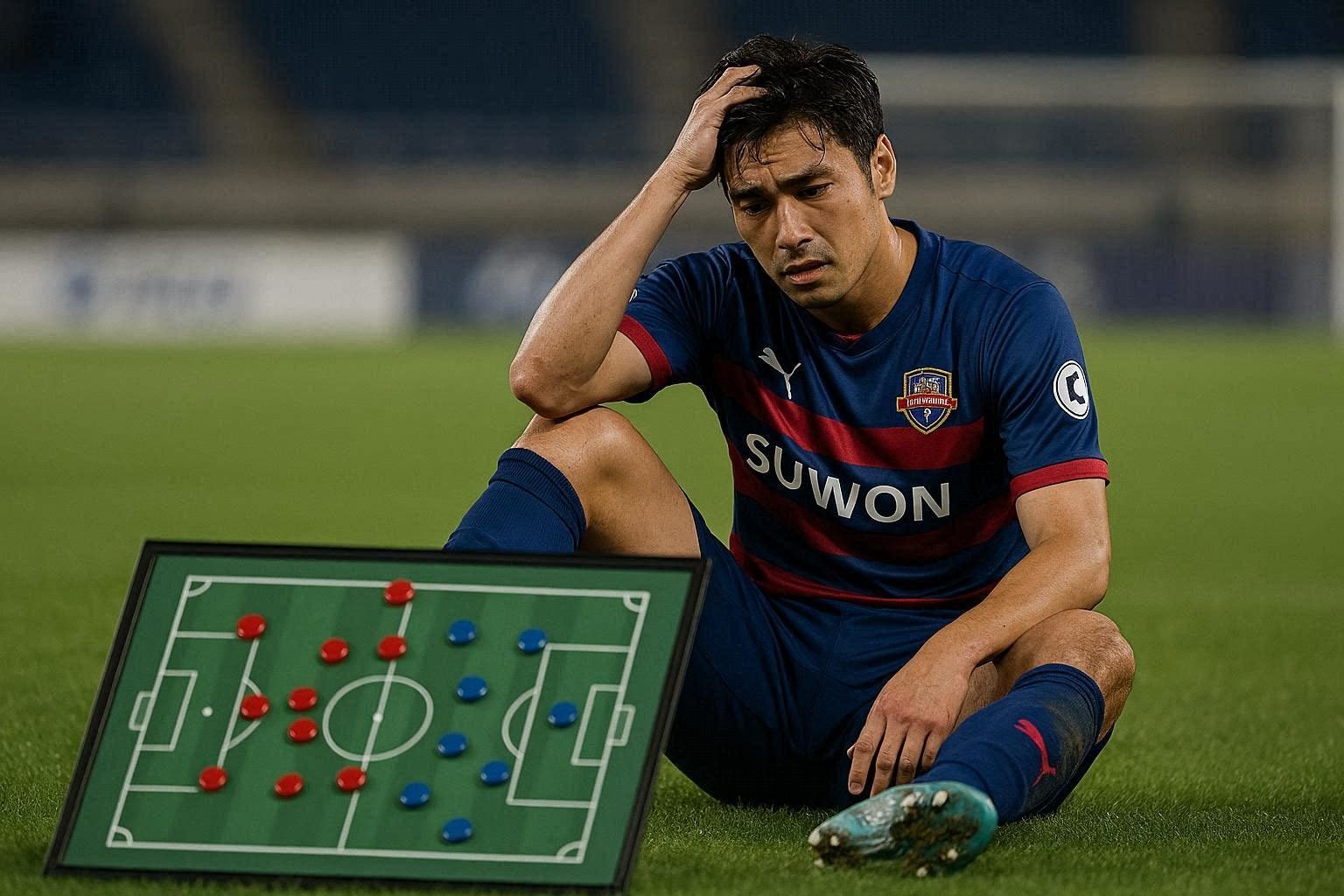
On April 4, Suwon FC entered their K League 2 clash against Seoul E-Land riding high. Four wins in their previous five matches had positioned them as early promotion contenders, and confidence was evident in their possession-oriented approach. Yet football has a way of exposing weaknesses at the most inconvenient times. A 3–0 defeat to Seoul E-Land not only halted Suwon’s momentum but also offered a sobering reminder of the gap between controlling the ball and controlling the match.
This game serves as a case study in how advanced performance metrics—expected goals (xG), player ratings, and possession percentages—can tell a more nuanced story than the raw scoreline. For Suwon FC, the lessons are tactical, psychological, and educational for fans seeking to understand the modern analytics-driven lens on football.
Match Context: Possession Without Penetration
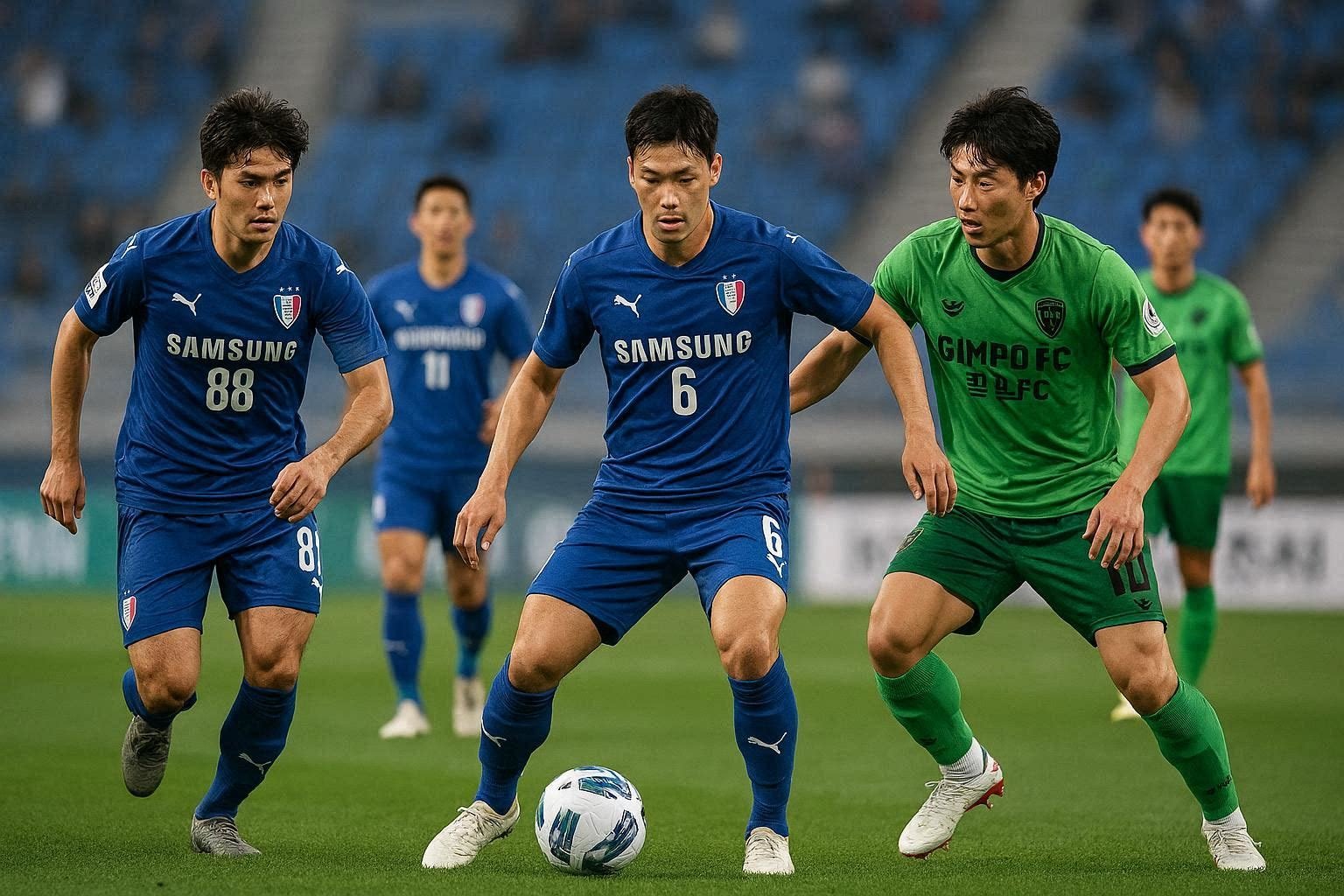
From the opening whistle, Suwon FC sought to impose themselves through midfield control. Their passing sequences were deliberate, with Matheus Frizzo orchestrating transitions and tempo. On paper, Suwon dominated possession, holding the ball for extended stretches and circulating it across the back line and midfield. Yet possession is only as valuable as the chances it creates, and here Suwon faltered.
Seoul E-Land, disciplined in their defensive shape, absorbed pressure and struck clinically on the counter. Their three goals came from moments of directness and efficiency, exploiting Suwon’s high line and lack of compactness in defensive transitions. By the final whistle, the scoreboard read 3–0, a harsh reflection of Suwon’s inability to translate control into threat.
The Analytics Angle: xG vs. Player Ratings
The divergence between Suwon’s statistical profile and the match outcome is striking. Suwon’s collective expected goals (xG) registered under 1.0, meaning that across 90 minutes they generated fewer than one high-quality scoring chance. This inefficiency in the final third underscores the difference between sterile possession and incisive attacking play. For readers new to the concept, Opta’s guide to expected goals (statsperform.com in Bing) offers a clear breakdown of how xG is calculated and why it matters.
Yet individual player ratings told a different story. Matheus Frizzo, despite the team’s struggles, posted a 7.2 performance rating. His passing accuracy, ball recoveries, and progressive carries were strong enough to earn him recognition. This contrast—solid individual metrics amid poor collective xG—illustrates how analytics can diverge. A player may excel in his role, but if the team fails to create dangerous opportunities, the overall tactical execution remains flawed.
Tactical Breakdown: Where Suwon Fell Short
- Final-Third Execution
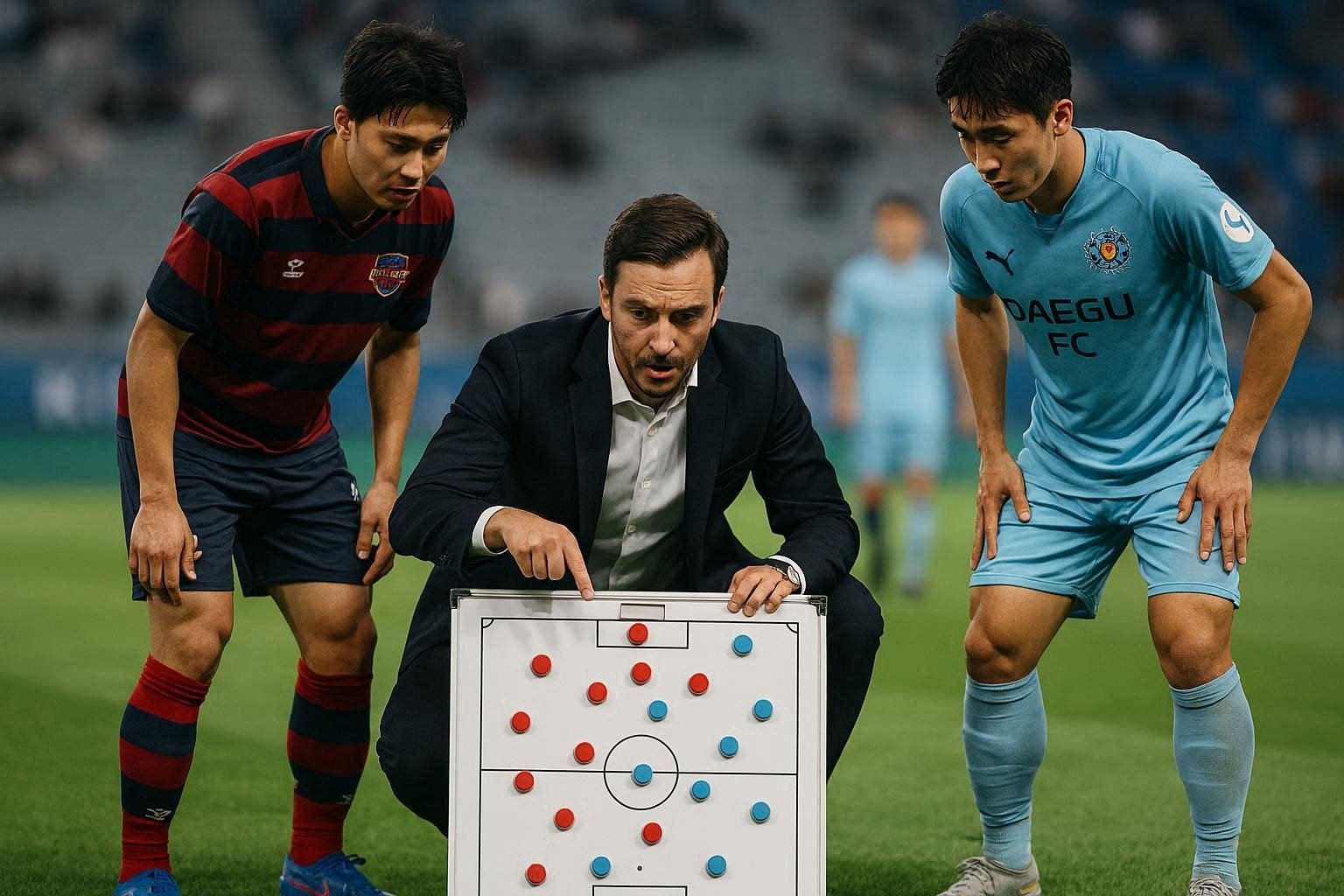
Suwon’s buildup play was neat but predictable. Too often, possession sequences ended with lateral passes or speculative crosses rather than incisive through balls. Seoul E-Land’s compact defensive block forced Suwon wide, and without dynamic overlapping runs or cutbacks, the attack lacked bite. For a deeper dive into Suwon’s attacking inefficiency in transition play, see this analysis. - Defensive Transitions
Seoul E-Land’s goals highlighted Suwon’s vulnerability when possession was lost. With fullbacks pushed high, the defensive line was exposed to counters. The midfield failed to provide adequate cover, leaving gaps that Seoul exploited with pace and precision. - Shot Quality vs. Shot Quantity
Suwon managed attempts on goal, but most were low-probability efforts from distance or under pressure. The xG metric reflects this reality: volume without quality rarely produces results. Seoul, by contrast, maximized their few chances, converting high-xG opportunities into goals. - Psychological Composure
After conceding the first goal, Suwon’s urgency increased but composure decreased. Passes became rushed, and decision-making in the final third deteriorated. This psychological shift compounded tactical inefficiencies, making recovery unlikely.
Educational Insight: Reading Beyond the Scoreline
For fans and analysts, this match underscores the importance of interpreting football through multiple lenses:
- Possession Percentages: High possession does not guarantee dominance. It must be paired with penetration and chance creation.
- Expected Goals (xG): A team can lose 3–0 yet still have moments of control. xG quantifies the quality of chances, revealing whether a team’s attack was genuinely threatening.
- Player Ratings: Individual performances can shine even in defeat. Frizzo’s rating shows that one player can fulfill his role effectively while the collective system falters.
- Scoreline Context: The raw 3–0 result suggests dominance by Seoul E-Land, but deeper analysis shows it was Suwon’s inefficiency, not Seoul’s overwhelming control, that defined the match.
For readers interested in how analytics reshape tactical understanding, The Athletic’s explainer on football analytics (theathletic.com in Bing) provides accessible insights into the growing role of data in modern football.
Lessons for Suwon FC
- Diversify Attacking Patterns
Suwon must avoid predictability in the final third. Incorporating more diagonal runs, cutbacks, and varied crossing angles could increase shot quality. - Strengthen Defensive Cover
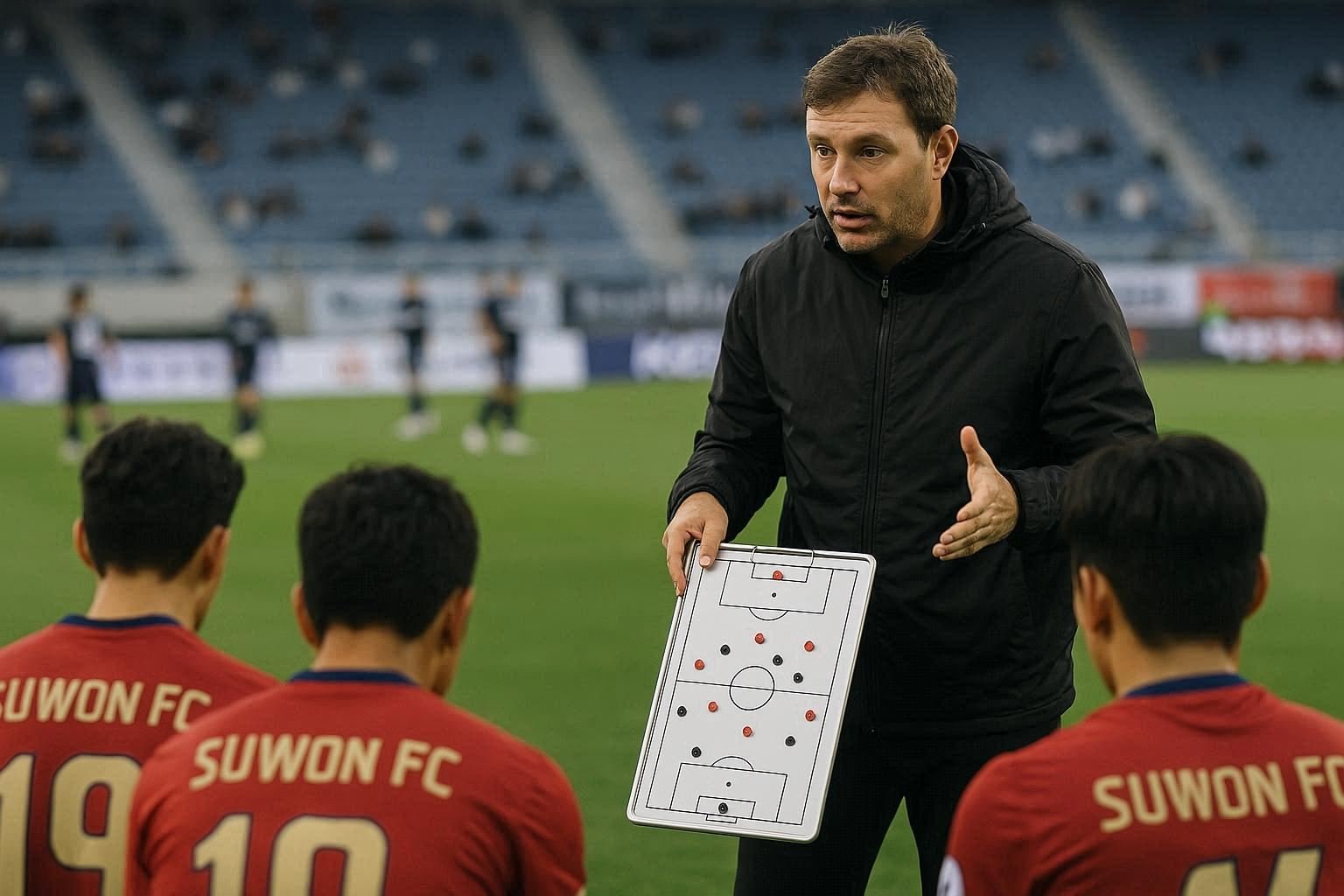
With fullbacks advancing, midfielders must anticipate transitions and provide balance. A holding midfielder positioned deeper could reduce exposure to counters. - Prioritize Shot Selection
Training emphasis should shift toward creating high-probability chances—through balls into the box, shots from central areas—rather than speculative efforts. - Mental Resilience
Maintaining composure after setbacks is crucial. Tactical discipline often erodes when urgency overrides patience, and Suwon must cultivate resilience to avoid cascading errors.
Broader Implications: Analytics in Modern Football
This match is emblematic of a broader trend in football analysis. Traditional statistics—possession, shots, scorelines—are increasingly supplemented by advanced metrics like xG and player ratings. These tools allow fans, coaches, and analysts to distinguish between performance quality and outcome variance.
For instance, a team may lose heavily yet still demonstrate structural strengths that bode well for future matches. Conversely, a narrow win with low xG may reveal underlying inefficiencies masked by fortune. In Suwon’s case, the defeat is not merely a setback but a diagnostic tool, highlighting areas for tactical refinement. For more on tactical frameworks, UEFA’s technical reports (uefa.com in Bing) provide detailed breakdowns of trends across European football that resonate with lessons Suwon can apply.
Conclusion: Turning Defeat into Education
Suwon FC’s 3–0 loss to Seoul E-Land is more than a disappointing result—it is a lesson in the complexities of football performance. Possession without penetration, individual excellence amid collective inefficiency, and the divergence between xG and scoreline all converge to tell a richer story than the scoreboard alone.
For Suwon, the path forward lies in tactical adaptation: diversifying attack, reinforcing defensive transitions, and prioritizing shot quality. For fans, the match offers an educational lens into how modern analytics deepen our understanding of the game. Football is not only about goals scored but about the processes that create them, and Suwon’s defeat is a reminder that numbers, context, and execution must align to produce success.