

Introduction
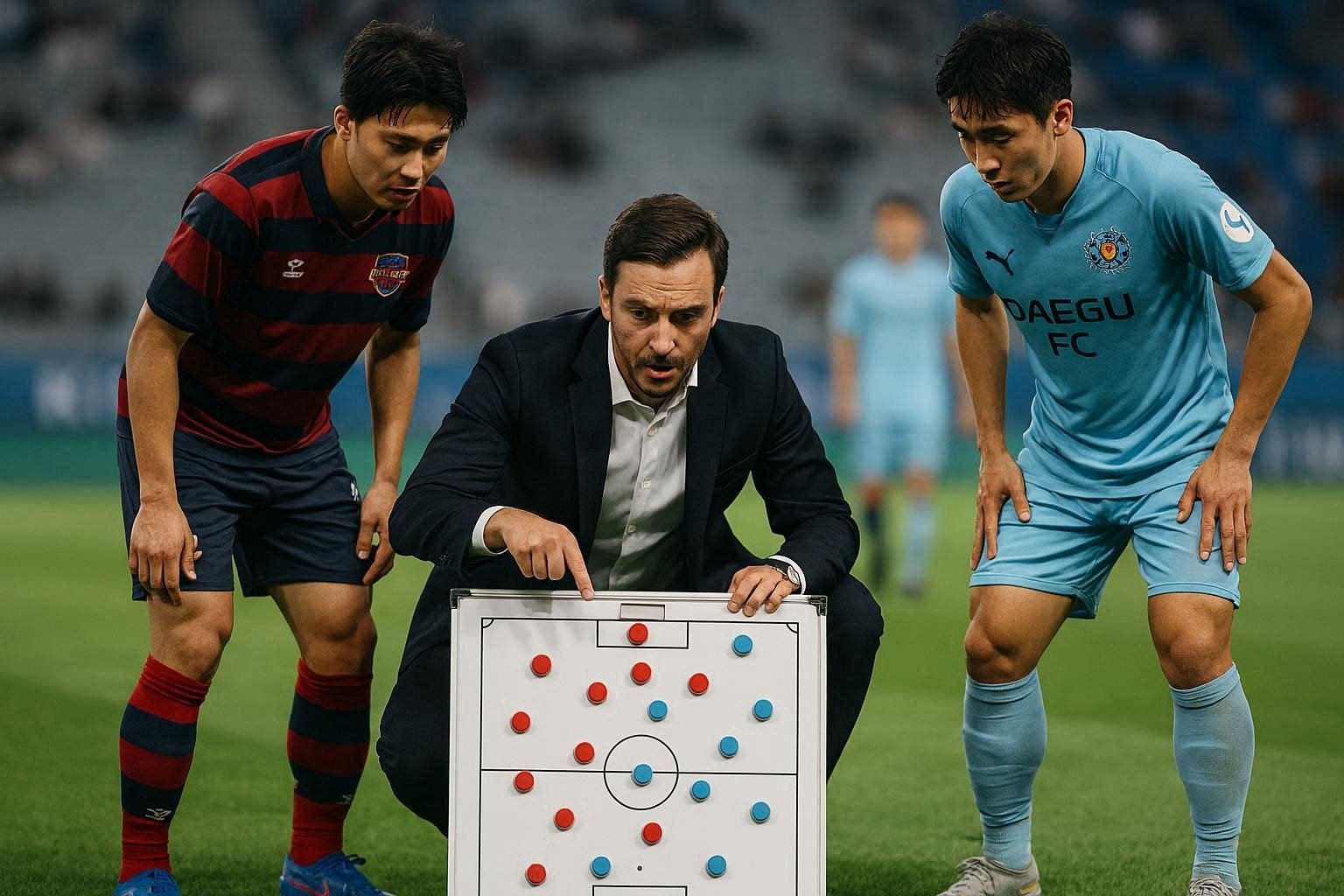
On April 11, 2026, Suwon FC hosted Daegu FC at Suwon Civil Stadium in a K League 2 clash that ended in a tense draw. While the scoreboard reflected parity, the deeper narrative of the match lies in Suwon’s tactical structure and defensive resilience. This article provides a detailed breakdown of Suwon’s setup, their transitional play, and the broader implications for tactical diversity in Korea’s second tier.
Suwon’s Defensive Shape
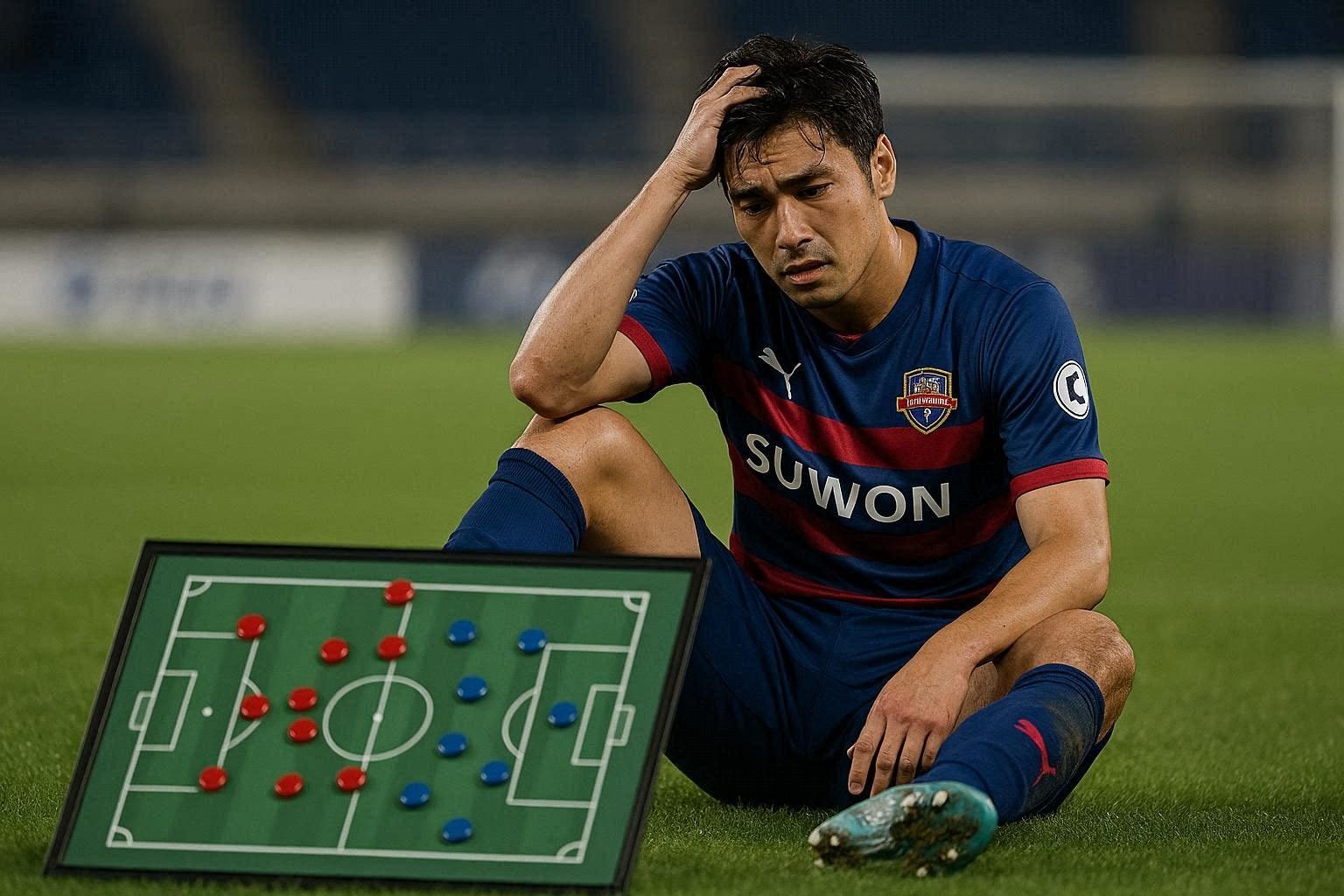
Suwon deployed a back four anchored by veteran goalkeeper Yang Han-been. Seo Jaemin and Lee Siyoung were tasked with balancing width and central coverage, ensuring that Daegu’s wide attacks were contained while maintaining compactness in the middle. The defensive line operated with discipline, often retreating quickly to absorb pressure rather than stepping high into midfield.
This conservative approach limited Daegu’s penetration but also highlighted Suwon’s reliance on reactive defending. Their shape was effective in preventing clear-cut chances, yet it exposed vulnerabilities when Daegu overloaded the flanks.
Midfield Transitions
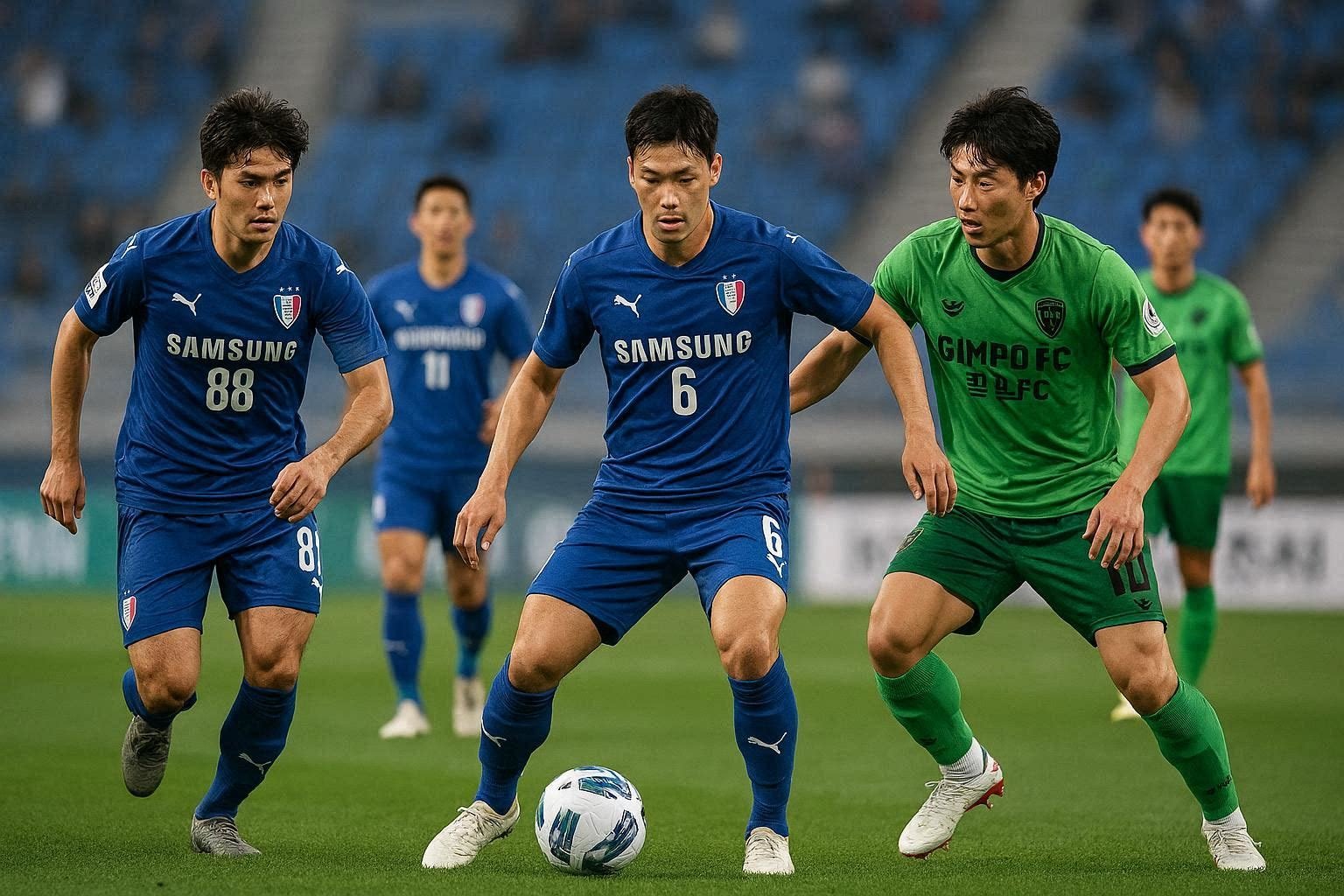
Suwon’s midfield trio emphasized transitional play, attempting to break quickly after regaining possession. However, possession data revealed that Suwon struggled to sustain sequences beyond three passes under pressure. This inability to build longer phases of play forced them into a counter-attacking identity, relying on rapid vertical movements rather than patient buildup.
For a deeper look at Suwon’s attacking efficiency in transition, see
Suwon FC Attacking Efficiency in Transition Play.
Daegu’s Tactical Response
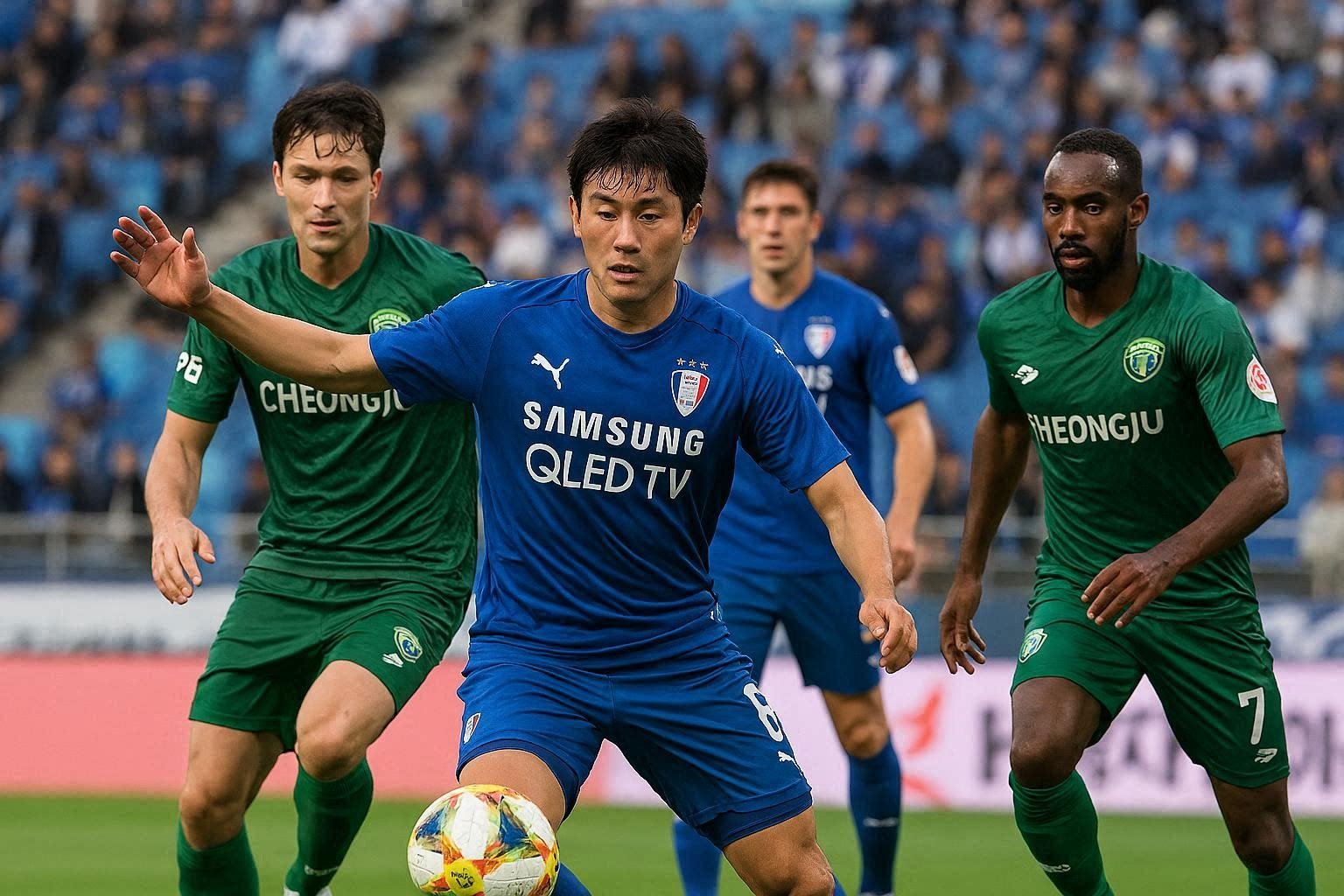
Daegu FC approached the match with a more possession-oriented style, attempting to stretch Suwon’s defensive block. Their midfielders rotated frequently to create passing lanes, and their fullbacks pushed high to provide width. While this strategy generated territorial dominance, Suwon’s compact defensive line forced Daegu into speculative shots rather than clear scoring opportunities.
The tactical contrast between Suwon’s reactive defending and Daegu’s proactive possession highlighted the diversity of approaches in K League 2.
Statistical Insights
- Possession: Daegu held 58% of the ball compared to Suwon’s 42%.
- Pass Sequences: Suwon averaged 2.8 passes per possession, while Daegu averaged 5.6.
- Shots: Daegu registered 14 attempts, but only 4 were on target. Suwon managed 9 attempts, with 3 on target.
- Defensive Actions: Suwon recorded 21 clearances and 15 interceptions, underscoring their defensive workload.
Fan Engagement and Atmosphere
The match drew significant attention both in the stadium and online. Fans debated Suwon’s reliance on counter-attacks and Daegu’s inability to convert possession into goals. Chants echoed through Suwon Civil Stadium, while online forums buzzed with tactical discussions. This dual engagement—stadium energy and digital debate—illustrates the evolving culture of Korean football fandom.
Broader Tactical Trends in K League 2
K League 2 has become a laboratory for tactical experimentation. Teams vary between possession-heavy approaches and counter-attacking strategies, forcing opponents to adapt quickly. Suwon’s reliance on counter-attacks reflects a broader trend where teams prioritize efficiency over control, leveraging transitional moments to create scoring chances.
This diversity enriches the league, making it unpredictable and tactically engaging for fans and analysts alike.
Comparisons with Global Football
Suwon’s style mirrors global trends where underdog teams often rely on compact defending and quick transitions. Similar strategies are seen in European leagues, where mid-table clubs frustrate possession-heavy giants by absorbing pressure and striking on the break. The K League 2 context adds a unique flavor, as teams balance local player development with tactical pragmatism.
External references:
Educational Insight
This match serves as a case study in tactical adaptation. Coaches and analysts can use Suwon’s performance to illustrate the importance of defensive structure, transitional play, and the limitations of possession under pressure. For fans, it highlights how tactical diversity enriches the viewing experience, making every match a unique puzzle.
Challenges Ahead for Suwon
Suwon’s reliance on counter-attacks raises questions about sustainability. Against teams that defend deep, their transitional approach may struggle to generate chances. Improving possession sequences and integrating more creative midfield play will be crucial for long-term success. Balancing defensive solidity with offensive variety remains their biggest challenge.
Conclusion
The April 11 draw between Suwon FC and Daegu FC was more than a balanced scoreboard—it was a tactical showcase of contrasting philosophies. Suwon’s defensive discipline and transitional identity clashed with Daegu’s possession-oriented approach, creating a compelling narrative for fans and analysts. As K League 2 continues to evolve, matches like this highlight the league’s tactical richness and the broader trends shaping Korean football.
Ultimately, Suwon’s reliance on counter-attacks underscores both their strengths and limitations. Their ability to adapt will determine their trajectory in K League 2, while fans can look forward to more tactical drama in the weeks ahead.