
Personalization Without Personal Agency: How Systems Adapt to Behavior Without Conscious Choice

Personalization is often described as a user benefit. Systems learn preferences, tailor content, and reduce friction. These adaptations are typically framed as improvements in convenience or efficiency. Yet in many modern environments, personalization occurs without active user decision-making.

This condition can be described as personalization without personal agency. In such systems, individuals play a passive role while algorithms continuously reshape the environment based solely on observed behavior.

What Is Personal Agency?

Personal agency refers to the ability to make intentional, informed decisions and to understand how those decisions influence outcomes. It includes awareness, choice, and the capacity to revise or reverse decisions.

Core components of personal agency include:

  • Clear visibility of available options
  • Intentional choice rather than automatic response
  • Understanding how choices affect future outcomes
  • The ability to change direction when preferences evolve

When these elements are absent, behavior reflects reaction rather than agency.

How Personalization Operates in Practice

In many systems, personalization is driven not by explicit decisions but by implicit signals. Algorithms infer preferences by observing behavior without asking for intent or context. Time spent on content, repeated actions, interaction sequences, and even pauses or hesitation are treated as indicators of preference.

The issue is that systems often equate behavior with preference. Accidental or situational actions may be misclassified as stable preferences and reinforced, reducing space for agency. As explored in frequency bias and the illusion of skill, misinterpreted signals can gradually lock users into skewed environments. This occurs because personalization without autonomy often reshapes user behavior by removing the need for active selection.

Feedback Loops and Self-Reinforcing Patterns

Once personalization begins, feedback loops form quickly. A single action influences exposure, which increases the likelihood of similar future actions. Repeated behavior is then interpreted as confirmation of preference, stabilizing the loop.

Personalization without agency often feels correct because it reduces friction. Familiar outputs require less cognitive effort, and reduced effort is frequently mistaken for preference alignment. Systems optimize for predictability rather than deliberation. According to research from the Oxford Internet Institute, as friction decreases, experiences may feel smoother even as the range of available choices narrows, potentially leading to a “filter bubble” effect where users are isolated from diverse information.

Conclusion

When systems personalize in subtle, automated ways, personal agency gradually erodes. Behavior becomes input, exposure becomes output, and choice becomes secondary. Awareness alone is often insufficient to counteract this dynamic.

Restoring meaningful agency requires system-level design choices, including transparent decision points and mechanisms that allow users to reset or recalibrate exposure. Without these safeguards, personalization risks optimizing environments around observed behavior rather than informed choice.

Why Process Quality Is Judged by Results

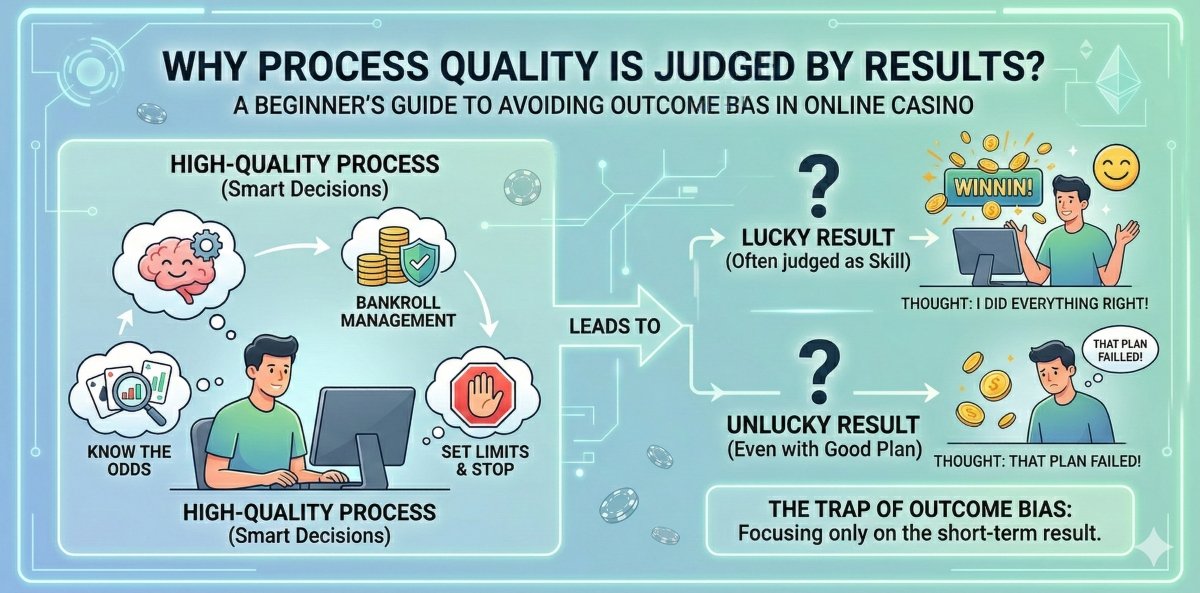
In the world of online casinos, it’s common to hear players say, “I made the right choice because I won.” This way of thinking feels natural in everyday life. If we study hard and pass a test, we assume our study process was good. If we follow a recipe and the cake tastes delicious, we know the process worked. But in games of chance, judging the quality of a decision solely by its outcome can be a dangerous mistake.

The Problem with Outcome Bias

Psychologists call this tendency outcome bias. It occurs when we evaluate the quality of a decision based only on its result. In casinos, outcomes are often driven by luck rather than skill.

For example, a player who bets their entire bankroll on one roulette spin may feel brilliant if they win. They might believe their “process” was sound because it led to a big payout. In reality, the decision was reckless—the win was just a lucky accident.

Good Decisions Can Lead to Bad Results

One of the hardest lessons for beginners is that even perfect play can still result in losses. In blackjack, for instance, “Basic Strategy” is a mathematically proven way to maximize your odds. Following it is a high-quality process. Yet because the casino has a built-in advantage, players will still lose some hands. Beginners may wrongly conclude the strategy doesn’t work, when in fact the process was correct and the loss was simply bad luck.

Bad Decisions Can Lead to Good Results

The reverse is also true. A player might make a poor choice—like drawing a card with a hand of 20—and still win if the dealer busts. The danger is that the brain loves to repeat actions that lead to rewards. A lucky win can reinforce a weak strategy, making players feel more skilled than they are. Over time, bad processes always catch up, leading to losses.

Why the Casino Always Wins

Online casinos use Random Number Generators (RNGs) to ensure fairness and unpredictability. Combined with the house edge, this guarantees that the casino profits in the long run. The casino’s “process” is mathematically perfect—it doesn’t matter if players win jackpots today. Over thousands of plays, the numbers favor the house. Players should aim for a disciplined process to protect themselves.

How to Build a Quality Process

Instead of judging success by short-term wins or losses, focus on how you play. A strong process includes:

  • Bankroll Management: Decide how much you can afford to lose before playing. Sticking to this limit means your process is sound, regardless of results.
  • Understanding the Odds: Learn the Return to Player (RTP) of each game. Choosing higher RTP games is smarter than picking based on appearance or theme.
  • Staying Calm: Base decisions on logic, not emotions like anger or excitement.
  • Knowing When to Stop: Exiting when you reach your limit or while ahead shows discipline and process quality.

Focusing on the Long Term

To enjoy online casinos responsibly, stop judging sessions only by your balance. Instead, ask: “Did I stick to my budget? Did I choose games with the best odds? Did I avoid chasing losses?”

If the answer is yes, then you followed a high-quality process—even if you lost money that night. In games of chance, results are uncontrollable, but your process is always within your control. By focusing on smart choices, you protect yourself from the emotional highs and lows of short-term wins and losses.

How We Mistake Confidence for Skill in Online Casinos

Online casinos are designed to be fun and engaging. When we first start playing, it’s easy to feel like we have a special talent or a winning strategy. A few early wins in blackjack or a lucky streak on the slots can create strong confidence. The problem is that this confidence often grows much faster than our actual understanding of how the games work.

The Trap of Early Success

Early wins trigger dopamine, a brain chemical that makes us feel powerful and accomplished. Beginners often interpret this rush as proof of natural skill. They may believe they’ve discovered a secret pattern or a way to beat the house. In reality, these wins are usually just luck.

Online casino games rely on Random Number Generators (RNGs), which ensure that every spin or card dealt is independent of the last. The math behind these systems is complex, and true understanding takes time. Confidence can appear instantly, but knowledge requires patience and study.

Why We Feel So Certain

Psychologists describe a bias where people with little knowledge overestimate their ability. In online casinos, this happens because the games look simple. Clicking “spin” or choosing “hit” feels easy, so we assume the logic behind the game must be simple too.

For example, if roulette lands on red five times in a row, we may feel certain the next spin will be black. But the wheel has no memory—red is just as likely to appear again. Confidence convinces us a pattern exists, while probability shows each outcome is independent.

The Danger of High Confidence

When confidence outpaces understanding, risk-taking increases. Players may raise their bets, convinced a win is coming. This is where beginners often run into trouble—playing based on feelings rather than math.

High confidence without knowledge leads to chasing losses. Believing we are skilled, we treat losses as temporary mistakes we can “fix” by playing more. In reality, the house edge ensures the casino has a long-term advantage. Knowledge helps us set limits; blind confidence encourages us to ignore them.

Building Real Understanding

To stay safe and enjoy the game, we need to close the gap between confidence and knowledge. Instead of relying on gut feelings, we can focus on facts and strategies:

  • Learn the House Edge: Every game has a built-in percentage the casino expects to keep. Knowing this helps manage expectations.
  • Study Basic Strategy: Games like blackjack have mathematically proven strategies for every hand. Learning them replaces guesses with informed decisions.
  • Practice for Free: Demo modes let you see how often wins occur without risking money.
  • Accept Randomness: The most important step is recognizing that outcomes are random and cannot be predicted or controlled.

Keeping a Balanced View

Confidence can make games more enjoyable, but it should be grounded in facts. Admitting we are still learning helps us manage bankrolls and make smarter choices. Real understanding means knowing that even the best strategy cannot guarantee a win. It means playing for entertainment and knowing when to stop.

By slowing down, learning the mechanics, and respecting the randomness of online casinos, we can enjoy the thrill without being misled by false certainty.

How Outcome Memory Reinforces Belief

When someone first plays at an online casino, their early results can be surprisingly influential. Imagine a beginner trying a slot machine and winning fifty dollars within minutes. That win is more than just money—it becomes a vivid memory that shapes how they think about the game for weeks or months. This phenomenon is called outcome memory: the way our brains store past results and use them to build beliefs about how the system works.

The Brain’s Highlight Reel

Our brains don’t record every detail like a camera. Instead, they act like editors, keeping the exciting moments and discarding the dull ones. In casinos, wins are exciting—they come with flashing lights, celebratory sounds, and a rush of dopamine. This makes them “sticky” memories.

Losses, especially small ones, are often forgotten quickly. Over time, this creates a distorted history. A player might lose twenty times and win twice, yet remember the wins more vividly. Outcome memory reinforces the belief that they are lucky or that winning is common, even when the odds say otherwise.

The Power of the First Big Win

Early experiences are especially impactful. A first big win becomes an “anchor” memory, convincing players that winning is the normal state of the game. Even after repeated losses, they may continue playing, believing that success is just around the corner.

This anchor leads to statements like, “I know I can win because I did it before.” Losses are dismissed as temporary setbacks, while the initial win is remembered as the true nature of the game. This is a common beginner’s trap—trusting one vivid memory over hundreds of random outcomes.

Filtering Reality to Support Belief

Outcome memory also reshapes how players interpret events. Wins are remembered as the result of skill or good choices—choosing the “right” game or playing at the “right” time. Losses, meanwhile, are explained away as external problems: bad luck, distractions, or technical issues.

This selective memory reinforces the illusion of control. Players ignore the fact that outcomes are determined by a Random Number Generator, not by their decisions or timing.

How Reinforced Belief Changes Play

Strong outcome memories influence behavior. A player convinced they are “due” for a win may take bigger risks, increase bets, or play longer than planned. They aren’t guided by odds or budgets but by reinforced beliefs from past wins.

This is why players often “chase” losses. They are trying to recreate the memory of a previous win, believing persistence will bring back their luck. Even small wins act as fresh reinforcement, making the cycle harder to break.

Breaking the Cycle with Data

The best way to counter outcome memory is to rely on actual data. Keeping records helps replace filtered memories with clear facts:

  • Track every session: Note how much you spent and how much you ended with.
  • Look at totals: Review results over weeks or months, not just one big win.
  • Separate feelings from facts: Wins may feel like skill, but records show they are part of random patterns.

Written records weaken the brain’s highlight reel, showing wins and losses together for a more accurate picture of play.

Staying Safe and Realistic

Recognizing that memory is biased is a powerful tool. It helps players stay calm after wins and realistic after losses. The goal of play should always be entertainment, not chasing a distorted belief in luck.

By accepting that each spin is independent and that memory exaggerates success, players can set better limits. Smart play means sticking to budgets, taking breaks, and remembering that the most valuable outcome is enjoying the game without spending more than you can afford.

Digital Safety First: The Real Importance of Security and Privacy on Online Platforms

In today’s connected world, we rely on websites and apps for nearly everything—shopping, streaming, chatting with friends, and even paying bills. Each time we log in, we hand over personal information to an online platform. This exchange is a form of digital trust, and when platforms fail to protect it, the consequences can be serious.

Think of your personal data as the key to your home. If a platform leaves that key exposed, anyone can copy it. Now imagine millions of keys left unguarded. This is why security and privacy are not optional—they are the most critical features any digital company must provide.

Trust: The Foundation of Digital Life

Trust underpins the entire internet economy. If you suspected an online store might leak your credit card details, you wouldn’t shop there. When companies suffer data breaches, that trust is broken. To prevent this, businesses invest heavily in firewalls, encryption, and monitoring tools—not only to protect your account but also to safeguard their own reputation and future.

The Real Cost of Poor Security

Weak security doesn’t just risk money—it can affect your identity, safety, and peace of mind. Here are the most common dangers:

Identity Theft

If criminals gain access to your full name, birth date, address, and ID numbers, they can impersonate you. They might open credit cards or take out loans in your name, leaving you with the debt. Recovering from identity theft can take years and significant legal costs.

Account Takeovers

Attackers often use stolen passwords from one site to access others where you reused the same login. A compromised social media password could give them entry into your banking app, allowing them to drain your account instantly.

Phishing Scams

Hackers frequently exploit stolen email lists to send fake messages that look legitimate. These “phishing” emails trick users into clicking links to verify accounts or claim prizes, leading to fraudulent sites that steal more personal data.

Emotional Distress

Beyond financial harm, breaches can expose private conversations, photos, or health records. The emotional impact of knowing strangers have accessed intimate information can be devastating and long-lasting.

Security vs. Privacy: Knowing the Difference

Security and privacy are related but distinct. A trustworthy platform must deliver both:

  • Security: The protective wall around your data, built with tools like encryption and two-factor authentication (2FA). For example, 2FA requires both your password and a code sent to your phone, making stolen passwords useless on their own.
  • Privacy: How a company uses your data once it’s secured. Strong security means hackers can’t access your location, but poor privacy means the company might sell that information to advertisers without your consent.

In the European Union, GDPR laws safeguard privacy rights, including the “right to be forgotten,” which allows you to request deletion of your personal data. Responsible companies demonstrate respect for privacy with clear, transparent policies.

Key Terms of Digital Safety

TermWhat It IsHow It Protects You
EncryptionScrambles your data into unreadable codeEven if stolen, it cannot be read
Two-Factor Authentication (2FA)A second verification step (e.g., code to your phone)Makes stolen passwords ineffective
Privacy PolicyExplains how your data is usedShows whether a company respects your choices
GDPRStrict European privacy lawGives you control over your personal data

Conclusion

Digital safety is a shared responsibility. Platforms must prioritize strong security and transparent privacy practices, but users also play a role. By creating unique passwords, enabling 2FA, and staying cautious with links, we can build safer online habits. A platform that puts security and privacy first is more than a service—it’s a trusted partner in your digital life.

Global Sports Betting Legalization Status and Case Studies by Country

By 2026, the global landscape of sports betting looks very different than it did just a few years ago. Governments worldwide have recognized that people will bet on sports regardless of legality. Instead of fighting it, many countries now regulate betting to protect players, reduce illegal activity, and generate billions in tax revenue. Each nation, however, has taken its own approach.

The United States: A Patchwork of Rules

The U.S. is one of the most notable examples of rapid change. Since the federal ban was lifted, states have rushed to establish their own regulations. By early 2026, more than 30 states had fully launched mobile betting apps.

Missouri is a recent success story. After voters approved legalization in late 2024, online betting went live in December 2025. Fans in St. Louis can now place regulated bets directly from their phones at stadiums. Yet, major states like California and Texas remain without legal markets due to ongoing political debates, creating a patchwork system where betting is legal in one state but prohibited across the border.

The United Kingdom: A Mature Market Focused on Safety

The UK represents a mature market where betting has been legal for decades. With growth already established, the government now emphasizes safety and oversight.

In April 2026, the UK raised the tax on online gaming to 40 percent, aiming to discourage companies from pushing high-risk games such as digital slots. New affordability checks also require operators to verify whether players can realistically afford their wagers. For example, if a young fan deposits an unusually large sum, the system may pause their account. In the UK, “legal” now also means “supervised.”

Brazil: South America’s New Giant

Brazil has become one of the most dynamic stories in global betting. For years, millions of Brazilians relied on offshore “grey market” sites. In January 2025, the government launched a fully regulated system.

By 2026, Brazil had licensed more than 75 operators under strict rules. Credit cards are banned, with payments limited to debit cards or the local instant system Pix, preventing overspending. The government collects 12 percent of operator revenue, which is reinvested into schools, police, and sports programs—making legalization a tool for social improvement as well as entertainment.

India: At a Legal Crossroads

India’s situation is more complex. With millions of cricket fans, demand is enormous, but laws remain tangled. In 2025, a new online gaming law was passed but quickly challenged in court.

By early 2026, the Supreme Court was debating whether fantasy sports and similar games are based on “skill” or “chance.” Skill-based games are often legal, while chance-based games are treated as gambling and may be banned. Meanwhile, a 28 percent tax on deposits has strained smaller companies, highlighting India’s struggle to balance regulation with accessibility.

Australia: Tackling Advertising Fatigue

Australia has one of the highest betting participation rates globally. With such widespread activity, fans complained of “ad fatigue,” saying broadcasts were saturated with betting promotions.

In 2026, Australia introduced strict advertising rules, banning betting ads during times when children are likely to watch. Credit card betting was also prohibited nationwide. The country now operates “BetStop,” a national registry allowing individuals to self-exclude from all betting apps with a single action.

Summary of Global Status

CountryStatus in 2026Primary Focus
USAState-by-state legalizationRapid expansion and tax revenue
UKFully regulatedHigh taxes and affordability checks
BrazilNewly regulatedPix payments and social reinvestment
IndiaOngoing legal battleSkill vs. chance debate
AustraliaHighly regulatedAd restrictions and credit card bans

The global trend is clear: sports betting is moving into the open. By establishing clear rules, countries are transforming a once-controversial activity into a regulated industry that supports safety, generates revenue, and even funds social programs.

The Basics of Sports Data and How it Changes Games

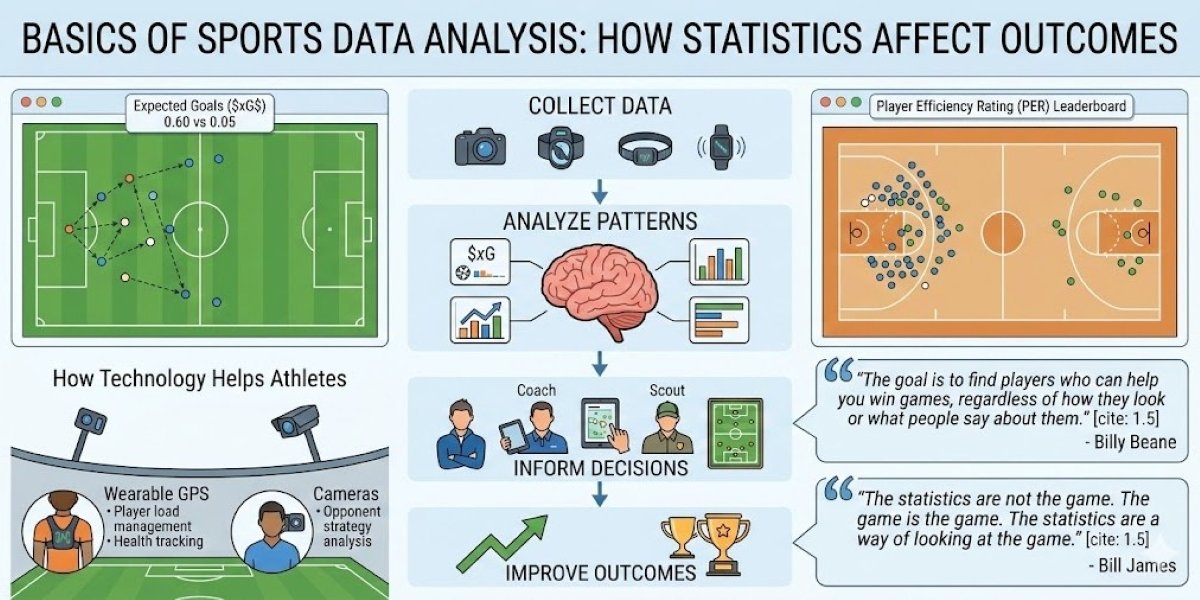
Fans love sports for the action—the goals, the home runs, the buzzer-beaters. But behind the scenes, another player has transformed the game: data. Sports data analysis is the process of collecting information from matches and turning it into numbers. These numbers help teams understand past performance and predict future outcomes.

The Beginning of the Data Era

One of the most famous stories about data in sports comes from baseball’s Oakland Athletics. In the early 2000s, the team had limited resources and couldn’t afford star players. Manager Billy Beane turned to statistics, identifying undervalued athletes with overlooked skills—like drawing walks to first base. By building a roster based on numbers rather than reputation, the A’s competed successfully against wealthier teams. This approach, later popularized in Moneyball, changed sports forever.

“The goal is to find players who can help you win games, regardless of how they look or what people say about them,” said Billy Beane.

Today, every major professional team uses data analysis. It’s no longer a secret weapon—it’s essential for staying competitive.

How Data Changes the Way Games Are Played

Statistics don’t just record history; they shape strategy. In the past, coaches relied on instinct. Now, they rely on real-time data.

In basketball, analytics revealed that three-point shots are more efficient than long two-pointers. As a result, players now attempt far more threes, changing the pace and spacing of the game.

In soccer, teams use “Expected Goals” (xG) to measure the quality of scoring chances. A long-range shot might have an xG of 0.05 (5% chance of scoring), while a close-range shot could be 0.60. Coaches use this data to encourage smarter shot selection and better positioning.

The Technology Behind the Numbers

Data comes from advanced technology. Stadiums are equipped with cameras that track every movement, while athletes wear sensors that monitor performance and health.

Type of TechWhat It TracksWhy It Matters
GPS TrackersDistance and speedHelps prevent fatigue and overtraining
Optical CamerasBall and player movementImproves tactical decisions and team strategy
Heart MonitorsStress and fatigue levelsGuides rest and recovery to avoid injury

If data shows a player slowing down or experiencing high stress, coaches can rest them to prevent injury and ensure peak performance during critical games.

Key Statistics to Know

Different sports rely on different metrics. Here are a few widely used examples:

  • Wins Above Replacement (WAR): Baseball stat showing how many wins a player adds compared to an average replacement.
  • Player Efficiency Rating (PER): Basketball metric combining positive contributions (points, rebounds) and subtracting negatives.
  • Completion Percentage Over Expected (CPOE): Football stat measuring whether a quarterback completes difficult passes beyond the expected rate.

“The statistics are not the game. The game is the game. The statistics are a way of looking at the game,” said Bill James, a pioneer of sports analytics.

Why Fans Care About Data

Data isn’t just for coaches—it’s for fans too. Fantasy sports rely on real-life statistics, allowing fans to build “dream teams” and compete based on player performance. Betting platforms also use historical data to estimate outcomes, turning games into puzzles that fans can analyze and debate.

The Limits of Statistics

Numbers are powerful, but they aren’t perfect. Sports are played by humans, not machines. A player might underperform due to personal issues, or a team might win thanks to luck. Data can predict likelihoods, but it can’t guarantee results.

The best teams balance analytics with human judgment, combining insights from scouts, coaches, and veteran players with statistical models.

Looking to the Future

As technology advances, sports analytics will become even more sophisticated. Artificial intelligence may soon predict injuries before they happen or suggest optimal plays in real time. For now, understanding the basics of sports data helps fans and professionals alike see the game more clearly. Winning is not just about strength—it’s about being smart with information.

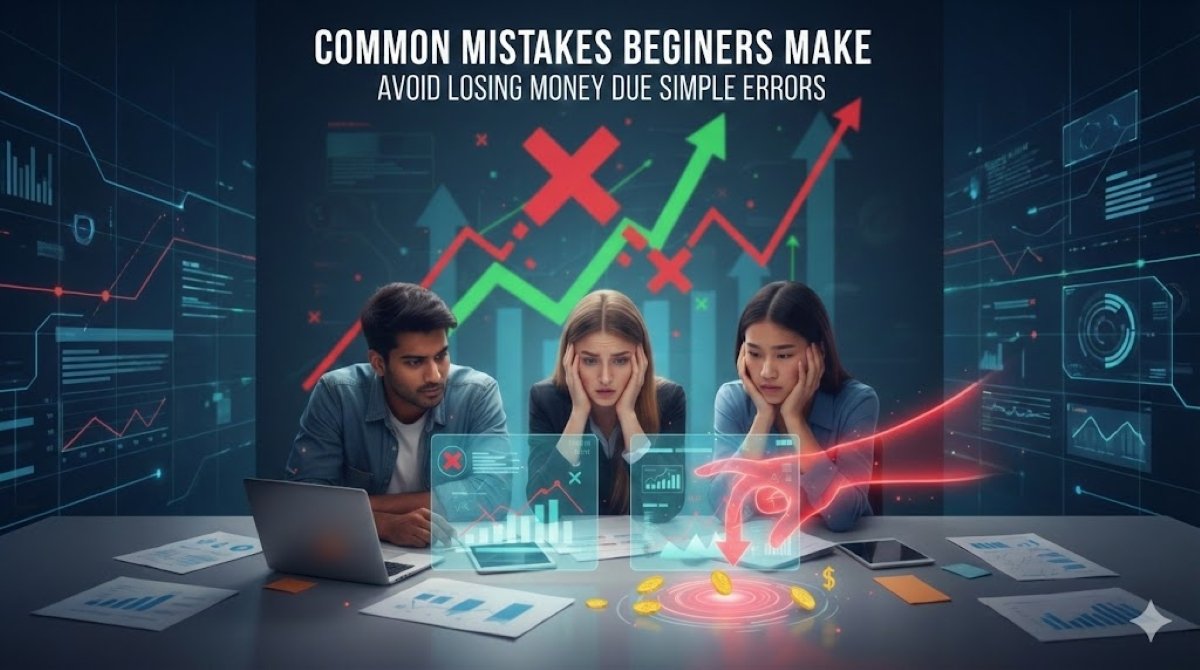
Common Mistakes Beginners Make: A helpful guide on how to avoid losing money due to simple errors

Starting a new hobby, project, or financial activity often comes with a learning curve. Small errors can quickly add up, especially when money or online platforms are involved. The good news is that most beginner mistakes are easy to prevent once you know what to watch out for. This guide highlights the most common traps beginners fall into and how to stay safe.

Skipping the Research Phase

The biggest mistake is diving in without understanding how the system works. Many beginners see success stories and try to copy them immediately, skipping the rules or fine print. Without research, you’re essentially guessing.

Whether it’s an investment, a digital platform, or a professional service, always read reviews and seek independent feedback. If a site looks unprofessional or has repeated negative reports, avoid it.

Chasing Quick Wins

It’s natural to want fast results, but the desire for quick money often clouds judgment. Scammers exploit this by promising high returns with little effort.

In reality, sustainable success takes time. If something sounds too good to be true, it almost always is. Beginners often lose money by betting everything on a “guaranteed” win. Focus instead on steady progress—it protects your budget and helps you learn properly.

Poor Budget Management

Many beginners fail to set spending limits. Without a plan, it’s easy to overspend, especially during “revenge spending”—trying to recover losses by spending more.

To avoid this:

  • Set a Hard Limit: Decide how much you can afford to lose before starting.
  • Keep Records: Track every expense. Seeing the numbers helps prevent overspending.
  • Avoid Borrowing: Never use borrowed money for risky activities. Only spend what you can afford to lose.

Ignoring Security Basics

Money isn’t only lost through bad luck—it’s often lost through poor security. Beginners frequently reuse passwords or skip enabling extra security features.

Always use strong, unique passwords and enable two-factor authentication. This adds a second layer of protection, making it much harder for hackers to access your accounts.

Falling for Emotional Decisions

Decisions made in fear or excitement are usually poor ones. Excitement can push you into risks you wouldn’t normally take, while fear can make you exit too early.

Practice staying calm. Before making a financial decision, step away for ten minutes. If it still feels right when you’re calm, proceed. Professionals rely on logic and data, not emotions.

Not Testing the Waters

Many platforms offer demo modes or free trials, but beginners often skip them and jump straight into spending real money. This is a mistake.

Think of it like practicing before a big game. Use demo versions to learn the rules and interface without risk. Once comfortable, start with very small amounts of real money.

Overcomplicating the Strategy

Beginners often believe they need complex strategies or “secret systems” to succeed. They buy expensive courses or follow methods they don’t fully understand.

Simple strategies are usually the most effective. Complex systems make it harder to spot mistakes. Stick to the basics, build consistency, and add complexity only as you gain experience.

Summary of Tips for Beginners

MistakeBetter Approach
Jumping in blindlySpend at least an hour researching first
Chasing “Easy Money”Accept that growth takes time
No spending limitWrite down a budget and stick to it
Using weak passwordsUse a password manager and enable 2FA
Emotional choicesPause for 10 minutes before deciding

By staying patient, keeping strategies simple, and protecting yourself with good habits, you can avoid the most common traps that cost beginners money.

Why Do We Like to Play? A Simple Look At The Psychology Of Gaming

Have you ever noticed your heart racing just before a win, or how difficult it feels to put down your phone during a puzzle game? Whether it’s a board game with family, a competitive video game, or a sports app, the urge to play is one of the strongest human drives. But the real reason we play goes deeper than prizes—it’s about how our brains respond to challenge, reward, and connection.

The Happy Chemical: Dopamine

Inside the brain, dopamine acts as a natural reward system. Dopamine is released when we solve problems, learn something new, or achieve a goal. It creates feelings of excitement, energy, and satisfaction.

Games are designed to trigger dopamine. Leveling up, unlocking achievements, or hitting a “big win” sparks that chemical rush. Too little challenge feels boring, while too much feels frustrating. The best games sit in the sweet spot—challenging enough to engage, but achievable enough to reward.

The Power of Near-Wins

One fascinating aspect of gaming psychology is the Near-Miss Effect. Imagine needing three matching symbols to win, and the third symbol stops just short. Even though you lost, your brain interprets it as “almost winning.”

This near-win can be more motivating than an actual win, fueling the desire to try again. While some exploit this effect to keep players hooked, in healthy games it simply adds excitement and keeps engagement high.

Escape from the Real World

Games also provide an escape from stress and noise. Within a game, rules are clear and goals are defined. This creates a state known as “Flow”—a mental condition where focus is so deep that time seems to disappear.

Flow is calming and restorative, like stepping into a quiet room away from daily worries. For many, gaming is a way to relax and recharge after a long day.

The Social Connection

Humans are social by nature, and gaming taps into that need. Even when playing alone on a phone, players often seek community through chat rooms, online groups, or shared experiences.

Seeing others cheer, share tips, or celebrate creates “social proof,” making the experience feel safer and more enjoyable. Still, it’s wise to remain cautious—some platforms use fake players or bots to simulate activity. Smart players enjoy the community but stay alert to potential manipulation.

The Sunk Cost Trap

While gaming is fun, it carries a psychological trap known as “Sunk Cost.” This occurs when players feel compelled to continue because they’ve already invested time or money.

The brain says, “I’ve already spent $10, I can’t stop now.” But logically, that money is gone. The healthiest choice is to focus on the next moment, not the past investment. Learning to walk away is one of the most important skills a player can develop.

How to Stay a Smart Player

Understanding how your brain responds to gaming helps you stay in control. Here are three simple rules:

  1. Watch the Clock: Flow makes time disappear, so set an alarm before you start playing.
  2. Check Your Mood: Playing while angry or sad won’t provide lasting relief. Play when calm for the best experience.
  3. Verify Platforms: Bright graphics and near-wins can trick the brain. Always check that the site or app is legitimate before trusting it.

Conclusion

We play because it’s part of being human. Our brains crave rewards, focus, and social connection. By understanding dopamine, the near-miss effect, flow, and the sunk cost trap, we can enjoy gaming as entertainment while avoiding unhealthy patterns. In 2026, smart gaming means making choices that keep play fun, safe, and under your control.

Confidence Inflation in Feedback-Saturated Systems: Why Frequent Feedback Raises Certainty Faster Than Accuracy

In many modern systems, feedback is immediate, frequent, and highly visible. Scores update instantly, results appear in real time, and performance signals are delivered continuously. This abundance of feedback is often assumed to improve learning and decision quality. In practice, however, it tends to increase subjective confidence far more quickly than it improves objective accuracy.

In feedback-saturated environments, people often feel more skilled or more in control than they actually are. This structural effect amplifies cognitive distortions associated with repetition and familiarity, creating conditions where confidence grows independently of performance quality.

Characteristics of Feedback-Saturated Systems

Feedback-saturated systems are defined by rapid outcome cycles and constant performance signaling. The critical factor is not the precision of feedback, but its frequency. Confidence and accuracy are governed by different mechanisms:

  • Accuracy improves through correct interpretation, sufficient data, and long-term calibration.
  • Confidence grows through reinforcement, familiarity, and repeated confirmation.

When feedback is excessive, reinforcement opportunities are abundant while meaningful correction remains slow. As a result, confidence can rise sharply even when accuracy remains unchanged.

How Frequent Feedback Inflates Confidence

Frequent feedback creates reinforcement loops that inflate confidence. Repeated exposure to outcomes increases familiarity, which is often misinterpreted as competence. Confirmation bias strengthens as individuals selectively accept feedback that aligns with expectations.

Immediate responses provide emotional reassurance, granting short-term credibility regardless of long-term correctness. In many systems, signals associated with success are designed to be more noticeable than signals associated with failure. This selective visibility is a core driver of frequency bias and the illusion of skill, where repetition is mistaken for causal evidence of ability. The brain also falls victim to outcome clustering and the illusion of advantage, where short series of positive signals are perceived as permanent shifts in capability.

Limits on Learning and Resistance to Correction

Effective learning requires feedback that is not only frequent but informative and representative of long-term structure. In feedback-saturated environments, reflection time disappears. When new signals arrive continuously, there is little incentive to evaluate whether growing confidence is justified.

Once confidence becomes inflated, it actively resists correction. Contradictory feedback is dismissed as noise, and errors are attributed to external factors rather than internal misjudgment. According to research from the Decision Education Foundation, this resistance further decouples confidence from accuracy, leading to a state where individuals become “locked in” to incorrect strategies due to perceived certainty.

Volatility Mistaken for Stability

Short-term outcomes in feedback-heavy systems are often driven by randomness and variance. Because feedback arrives so frequently, temporary fluctuations are easily misinterpreted as meaningful trends.

Even when underlying accuracy does not improve, people respond to surface-level stability and develop certainty. This explains why confidence inflation is common even in environments where long-term prediction remains difficult or unreliable.

Conclusion

Confidence inflation in feedback-saturated systems is not a personal flaw. It is a structural outcome produced by repeated reinforcement combined with delayed truth signals. Frequent feedback creates familiarity, familiarity produces certainty, and certainty emerges far faster than accuracy.

When confidence grows faster than calibration, perception drifts away from reality. Understanding this gap clarifies why feedback-heavy environments feel empowering while quietly undermining judgment. From a behavioral perspective, confidence is shaped by repetition, not correctness—and systems that maximize feedback frequency inevitably amplify that effect.