

Introduction
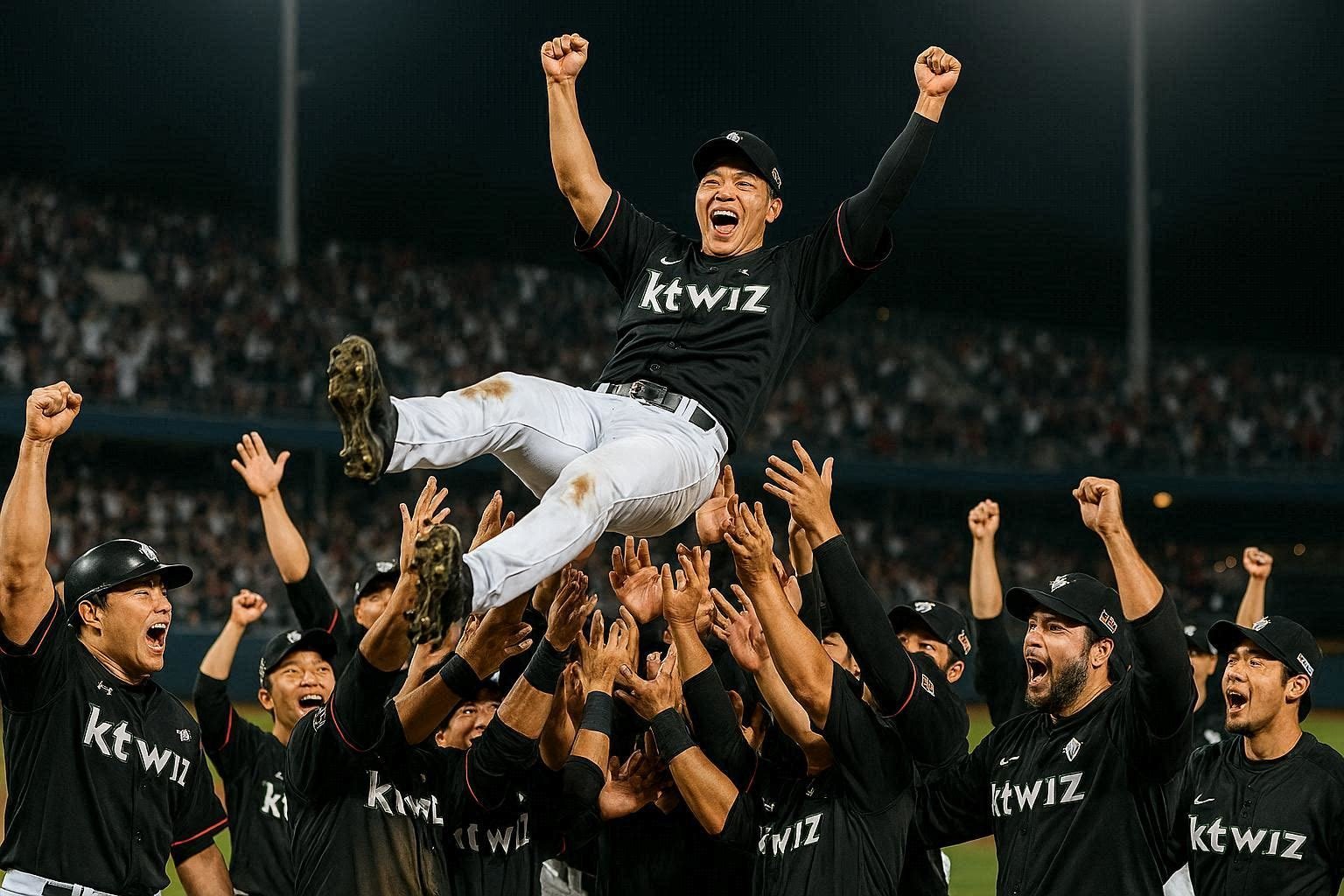
The Korean Basketball League (KBL) is entering its decisive playoff phase, where every game carries amplified significance. On April 5, 2026, Suwon KT Wiz defeated Ulsan Mobis Phoebus 73–69, while Goyang Sono Skygunners edged Anyang JungKwanJang 65–61. These results may look like routine wins, but in the context of playoff structures, they are pivotal. For Suwon KT, the victory highlights how narrow margins in basketball translate into major playoff implications, shaping seeding, matchups, and home-court advantage.
Regular Season vs. Playoff Structures
To appreciate the importance of Suwon KT’s win, it’s crucial to understand the difference between regular season standings and playoff formats in the KBL:
- Regular Season: Teams accumulate wins and losses across a fixed schedule. Standings are determined by cumulative records, rewarding consistency over months of competition.
- Playoffs: The postseason shifts to elimination-based series. Teams must win best-of-five or best-of-seven matchups to advance.
This structural distinction means that while the regular season rewards stability, the playoffs demand peak performance under pressure. A single game can swing momentum, and late-season wins directly shape playoff seeding.
Why Late-Season Wins Matter
For beginners, it may seem puzzling why one late-season win is treated with such importance. The answer lies in seeding:
- Matchups: Higher-seeded teams face lower-seeded opponents, theoretically easing their path to advancement.
- Home-Court Advantage: Higher seeds host more games in a series, a critical factor in basketball where crowd energy and familiarity with the court influence outcomes.
- Momentum: Entering the playoffs on a winning streak boosts confidence and cohesion, often translating into stronger performances in elimination rounds.
Thus, Suwon KT’s narrow victory is not just another tick in the standings — it directly shapes their playoff positioning and potential path through the bracket.
Suwon KT’s Tactical Depth
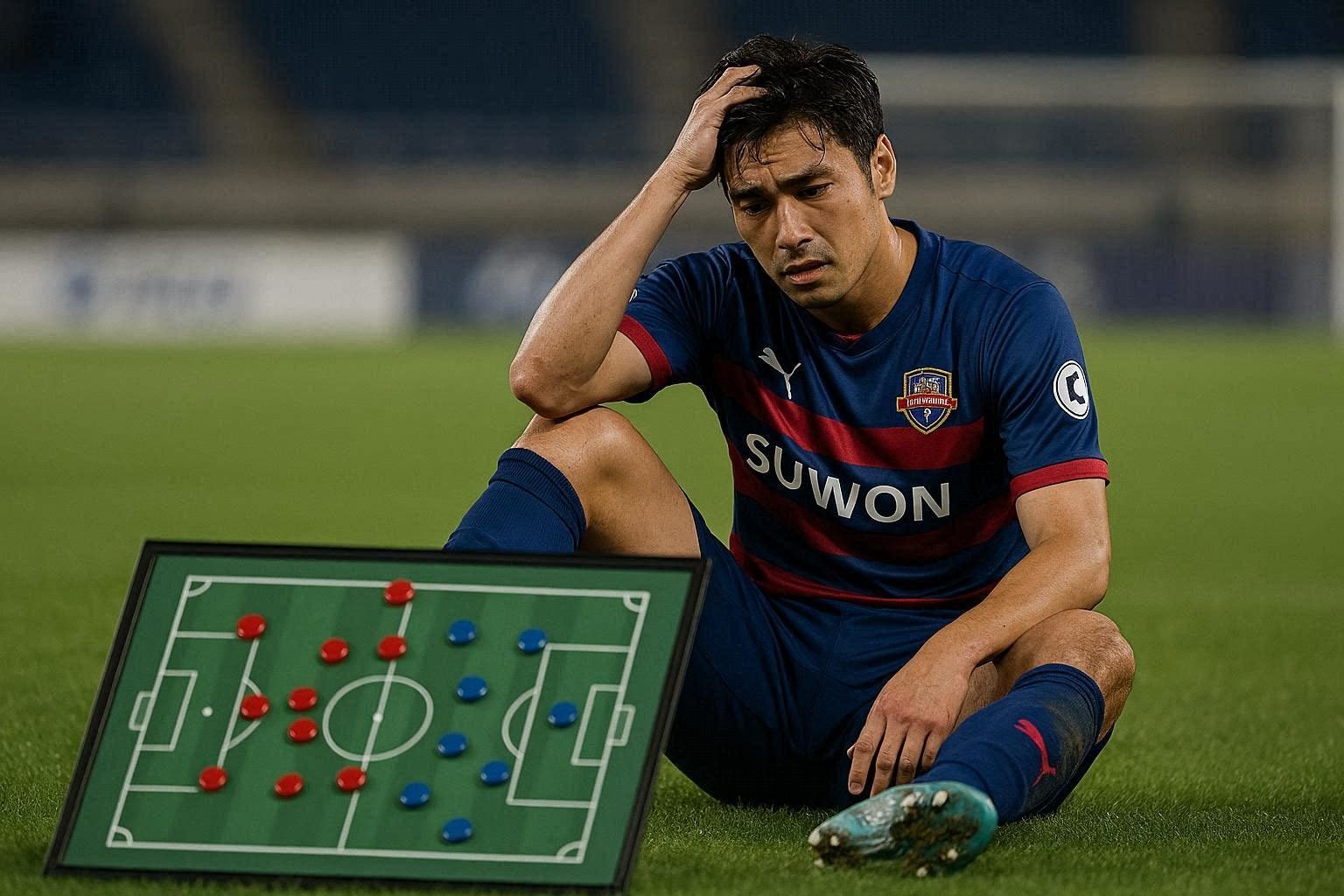
Basketball is a sport where small margins often decide outcomes. Suwon KT’s 73–69 win illustrates several structural insights:
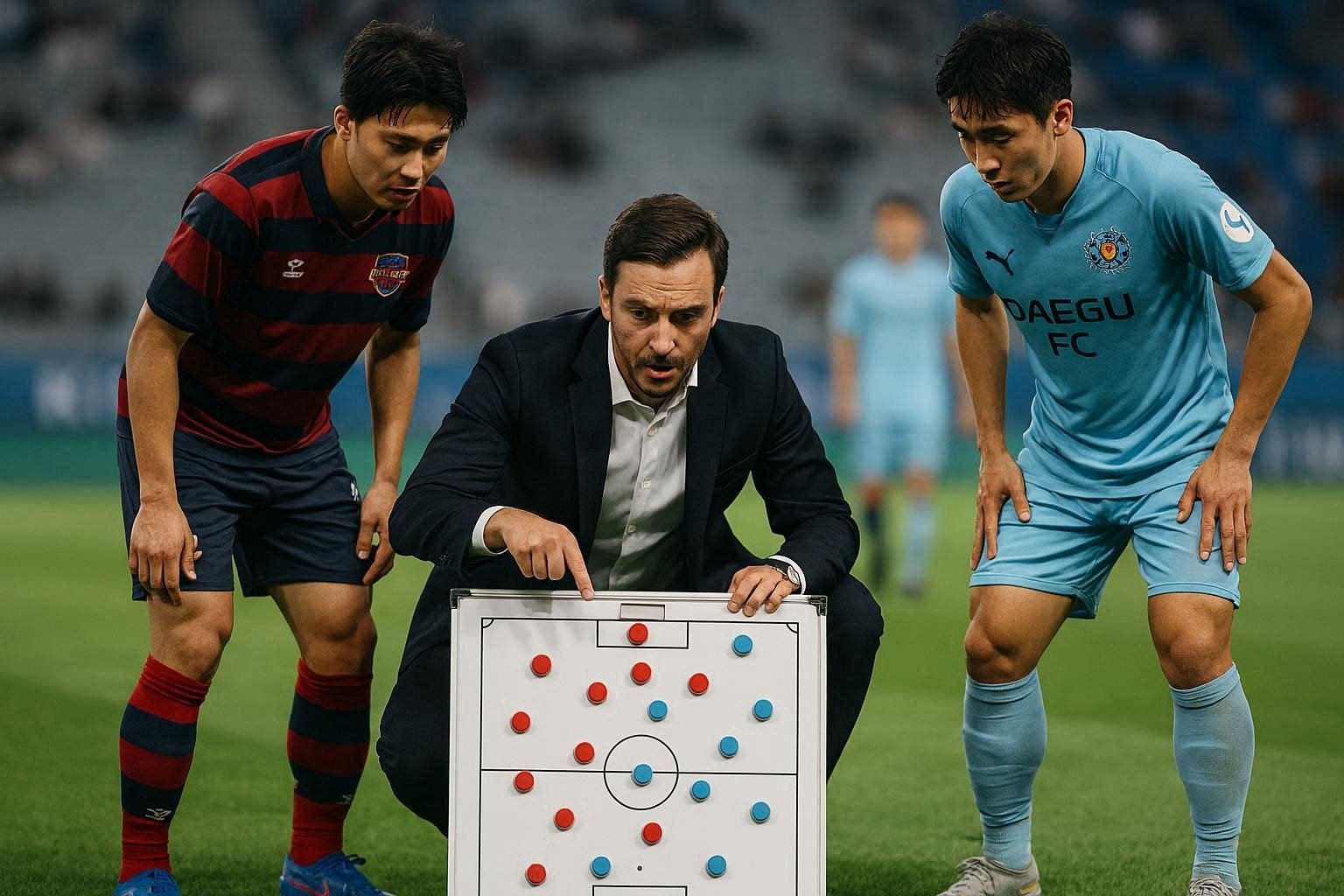
- Roster Rotation: Coaches must balance player fatigue with tactical needs. Late-season games test how well teams manage minutes to keep key players fresh for the playoffs.
- Defensive Adjustments: Narrow victories often hinge on defensive stops in the final minutes. Suwon KT’s ability to contain Mobis Phoebus in crunch time reflects playoff-ready discipline.
- Bench Contributions: Depth matters more in elimination formats. Role players who contribute in tight games can swing entire series.
These elements highlight why tactical depth is as important as star power in the postseason.
Educational Value: Understanding Playoff Formats
For readers new to basketball structures, the KBL playoffs provide a clear example of how sports leagues balance regular season and postseason formats:
- Consistency vs. Clutch: The regular season rewards consistent performance, while playoffs reward the ability to deliver under pressure.
- Series-Based Competition: Unlike single-elimination tournaments, KBL playoffs allow teams to adjust strategies across multiple games.
- Strategic Evolution: Coaches and players must adapt game-to-game, making tactical flexibility a defining feature of playoff success.
This distinction helps beginners appreciate why late-season wins carry disproportionate importance — they set the stage for playoff matchups that can define a team’s season.
Regional Relevance: Suwon’s Sports Culture
Suwon KT’s playoff trajectory is not just a basketball story; it’s a reflection of Suwon’s broader sports identity:
- Community Pride: Each playoff run strengthens Suwon’s reputation as a basketball city, energizing local fans and businesses.
- Cultural Connection: The team’s success mirrors how sports structures in Korea connect local communities to national narratives.
- Economic Impact: Playoff games attract visitors and generate local economic activity, reinforcing the link between sports success and civic engagement.
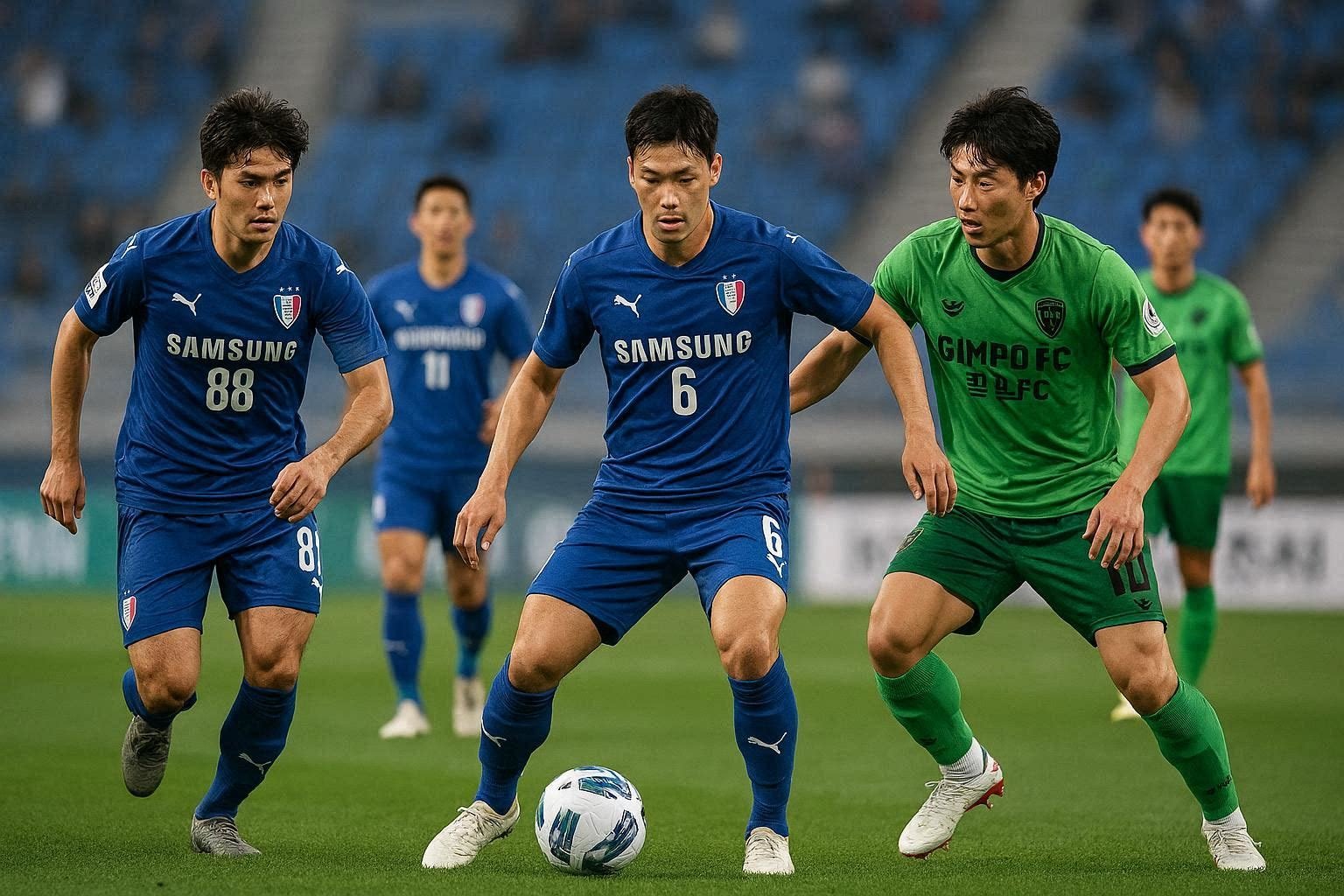
This regional connection is mirrored in football as well. For example, Suwon Samsung Bluewings’ strong start in K League 2 has been analyzed for its efficiency, organization, and promotion signals (Suwon Samsung Bluewings Perfect Start in K League 2). Together, these stories show how Suwon’s sports culture thrives across multiple disciplines, with basketball and football reflecting similar structural lessons.
Comparative Insight: Goyang Sono and Anyang JungKwanJang
The Skygunners’ 65–61 win over Anyang JungKwanJang underscores the broader playoff picture:
- Close Margins: Both Suwon KT and Goyang Sono won by fewer than five points, illustrating how competitive balance defines late-season basketball.
- Seeding Battles: These results directly influence playoff brackets, potentially setting up matchups between regional rivals.
- Educational Value: For beginners, comparing these games shows how every result in the final weeks can reshape the postseason landscape.
Together, these outcomes highlight the interconnectedness of league structures and regional identities.
Broader Implications: Korean Basketball Systems
The KBL’s playoff format reflects broader principles in sports governance:
- Fairness: Series-based eliminations reduce the impact of one-off flukes, ensuring that advancement reflects sustained performance.
- Entertainment: Playoffs heighten drama, creating narratives that engage fans and media.
- Development: Teams must cultivate depth and adaptability, reinforcing long-term growth in Korean basketball.
Understanding these systems helps readers see how sports structures are designed to balance fairness, excitement, and development.
Conclusion
Suwon KT Wiz’s narrow victory over Mobis Phoebus may seem like just another late-season result, but in the context of KBL playoff structures, it carries outsized significance. Unlike the regular season’s cumulative standings, the playoffs are elimination-based, demanding tactical depth, roster rotation, and clutch performance. For beginners, this distinction explains why late-season wins matter so much — they determine seeding, matchups, and home-court advantage.
For Suwon, the team’s playoff trajectory connects directly to the city’s sports culture, reinforcing its identity within Korea’s basketball ecosystem. As the KBL approaches its elimination rounds, every possession, every rotation, and every narrow victory will shape not just the league’s outcome but also the civic pride of communities like Suwon.
Further Reading
- KBL Official Website — schedules, standings, and playoff brackets.
- FIBA Asia — international basketball context and Korea’s role in regional competitions.
- SportsPro Media — industry insights on sports broadcasting and playoff structures.
- UNESCO Sport and Education Resources — global perspectives on sports as cultural and educational tools.
- Suwon Samsung Bluewings Perfect Start in K League 2 — analysis of Suwon’s football success and its structural lessons.