

Introduction
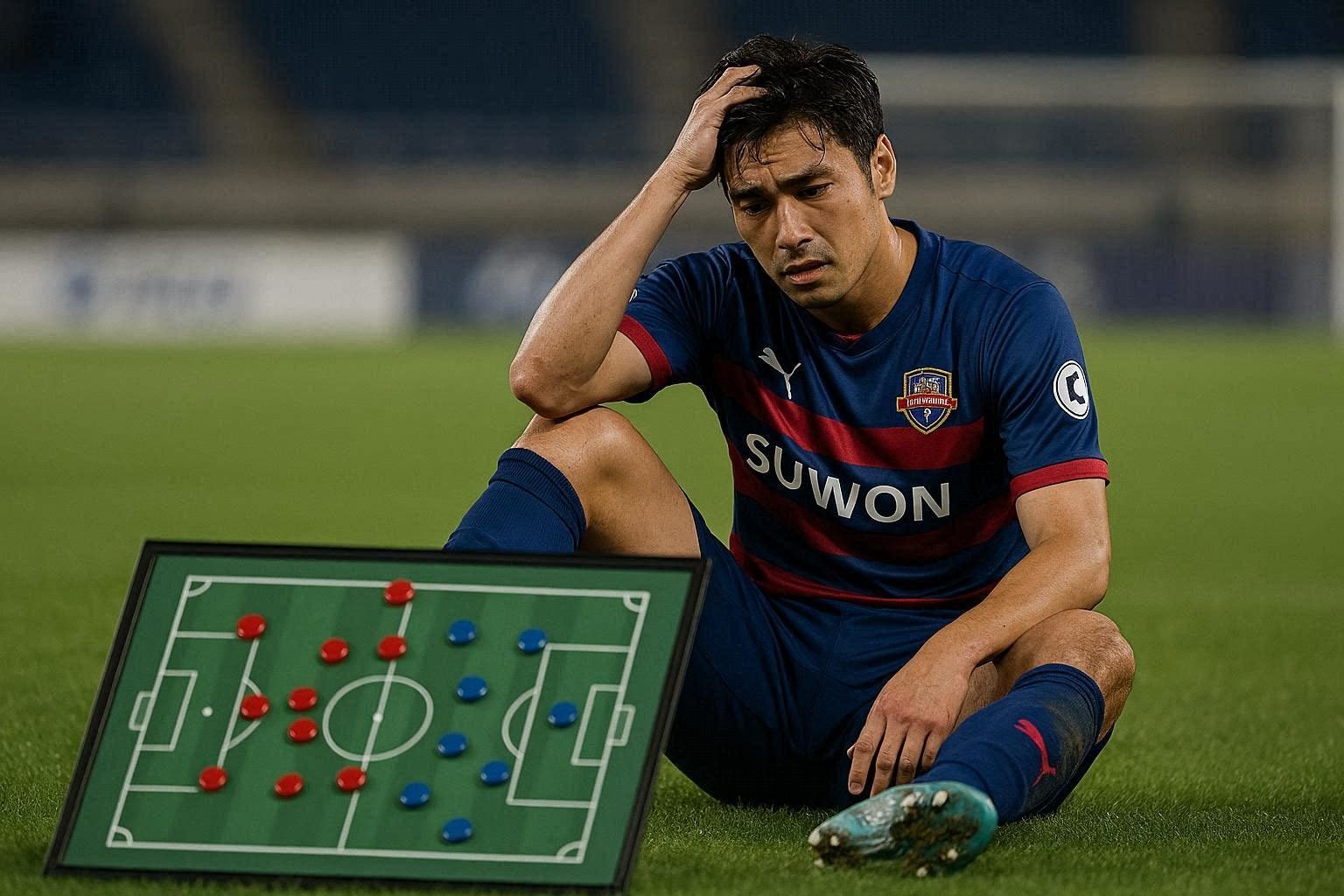
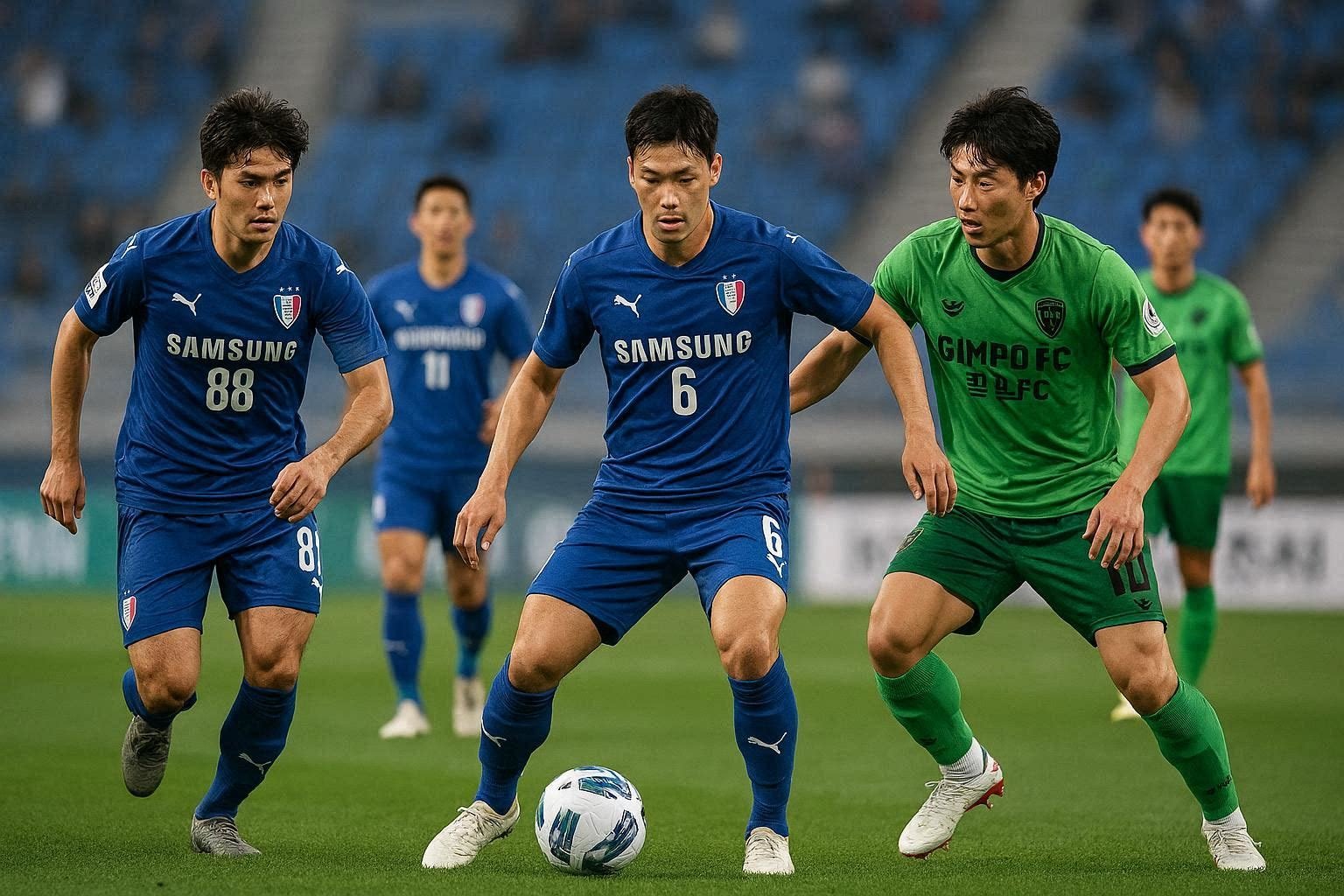
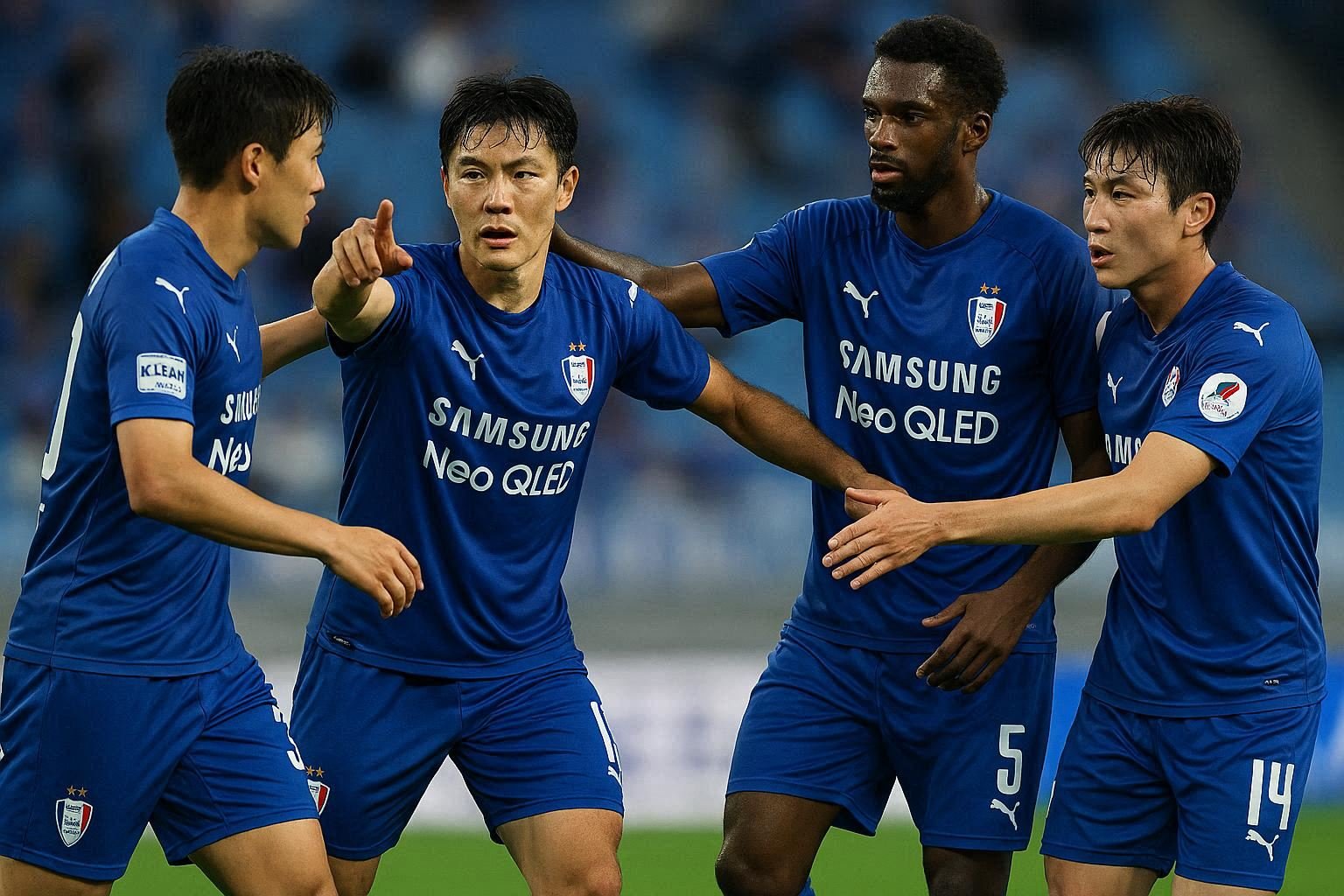
The Suwon Samsung Bluewings, one of Korea’s most storied football clubs, have entered the 2026 K League 2 season with a renewed sense of purpose. Their recent 1–0 victory over Yongin City marked their fourth consecutive clean sheet, extending a winning streak that has caught the attention of analysts and fans alike. For a team that struggled with defensive instability last season, this turnaround is more than a statistical anomaly — it is evidence of tactical recalibration and disciplined execution.
This article explores how the Bluewings’ defensive cohesion is shaping their form, why expected goals (xG) conceded offers a more reliable measure of defensive strength than possession statistics, and what this resurgence means for Suwon and the broader Gyeonggi-do football culture.
The Context: From Instability to Discipline
Last season, the Bluewings were plagued by defensive lapses. Their back line often appeared disjointed, conceding goals through poor spacing and inconsistent marking. Matches frequently turned into high-scoring affairs, with Suwon unable to protect leads or withstand sustained pressure.
Fast forward to the current campaign, and the contrast is stark. In their last four matches, the Bluewings have conceded only once, recording four clean sheets in succession. This defensive solidity has provided the foundation for their winning streak, allowing narrow victories like the 1–0 result against Yongin City to stand as testaments to resilience rather than luck.
Tactical Emphasis: Low-Block Organization
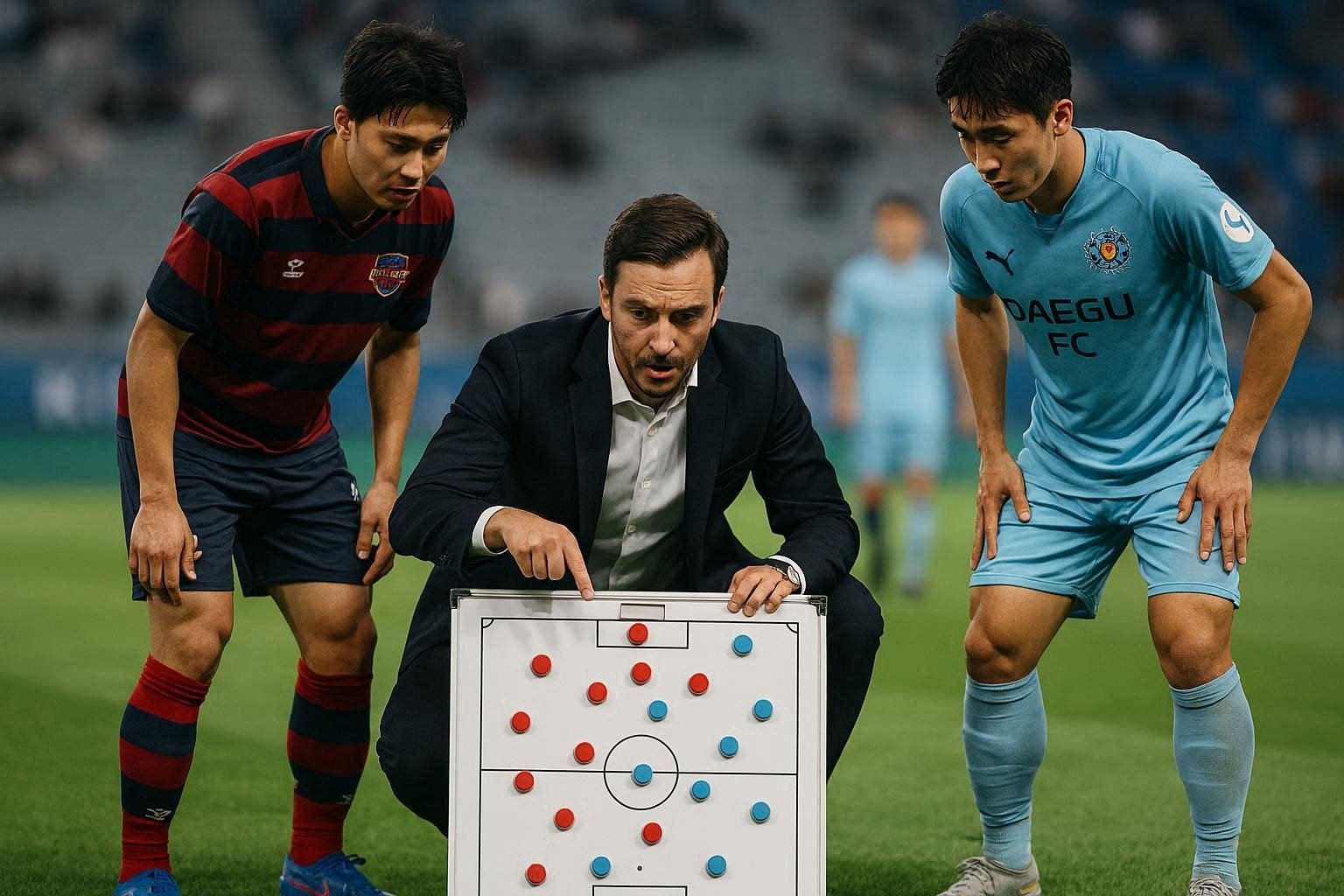
The key to Suwon’s transformation lies in their tactical emphasis on low-block organization and compact spacing. Rather than pressing high up the pitch or relying on possession dominance, the Bluewings have adopted a more conservative structure:
- Compact defensive lines: The back four remain closely spaced, minimizing gaps between defenders.
- Midfield screening: Defensive midfielders drop deep to shield the back line, forcing opponents into wide areas.
- Reduced shot quality: By crowding central zones, Suwon limits opponents to lower-value shots from distance or tight angles.
This approach does not eliminate opponent possession but neutralizes its effectiveness. Teams may dominate the ball, but Suwon’s structure ensures that possession translates into fewer high-quality scoring chances.
Expected Goals (xG) Conceded: A Better Measure of Defensive Strength
Traditional metrics like possession percentages often mislead fans into equating ball control with defensive solidity. In reality, possession can mask vulnerabilities if opponents generate high-quality chances during limited spells of attack.
This is where expected goals (xG) conceded becomes invaluable. xG measures the probability of a shot resulting in a goal based on factors such as distance, angle, and defensive pressure. For Suwon:
- Low xG conceded: Their compact defensive shape reduces the likelihood of opponents creating high-probability chances.
- Consistency across matches: Even when opponents enjoy possession, Suwon’s defensive discipline keeps xG conceded low, reflecting genuine strength.
- Educational takeaway: Fans can learn that defensive success is not about denying possession but about denying quality opportunities.
For readers unfamiliar with xG, resources like StatsBomb’s introduction to expected goals (statsbomb.com in Bing) provide accessible explanations of how the metric works and why it matters.
Case Study: The 1–0 Victory Over Yongin City
The match against Yongin City exemplifies Suwon’s defensive philosophy. Yongin enjoyed stretches of possession and attempted to break down Suwon’s lines, but the Bluewings consistently forced play into wide areas.
- Shot profile: Yongin’s attempts came largely from outside the penalty area, with low xG values attached.
- Defensive interventions: Suwon’s center-backs excelled in aerial duels, clearing crosses and limiting second-ball opportunities.
- Game management: Once Suwon secured the lead, their defensive structure absorbed pressure without resorting to reckless challenges.
This disciplined approach ensured that a single goal was enough to secure victory, underscoring the value of defensive cohesion in tight matches.
Historical Perspective: Suwon’s Defensive Identity
The Bluewings’ current form resonates with their historical identity. Traditionally, Suwon has been known for disciplined, organized football, with defensive resilience forming the backbone of their successes in the K League 1.
Their recent struggles in K League 2 reflected a departure from this identity, as tactical instability undermined their reputation. The current resurgence, therefore, is not just a tactical adjustment but a return to the club’s cultural roots — a reminder that defensive discipline remains central to Suwon’s footballing philosophy.
Educational Insight: Why Defensive Cohesion Matters in League Structures
For readers new to football analytics, Suwon’s resurgence offers a practical lesson in how defensive cohesion shapes league outcomes:
- League format: In K League 2, where promotion battles hinge on consistency, defensive solidity ensures points accumulation even in low-scoring matches.
- Goal difference impact: Clean sheets contribute to favorable goal difference, a critical tiebreaker in league standings.
- Psychological effect: Teams with strong defenses build confidence, knowing that a single goal can secure victory.
For context on how Korean league structures operate, the official K League site provides detailed breakdowns of promotion, relegation, and playoff formats.
Suwon and Gyeonggi-do: Regional Significance
As one of Suwon’s flagship clubs, the Bluewings’ resurgence carries regional significance. Football in Gyeonggi-do thrives on community identity, with clubs serving as cultural anchors.
- Fan culture: Clean sheets and disciplined victories resonate with fans who value resilience and collective effort.
- Regional pride: Suwon’s success reinforces Gyeonggi-do’s reputation as a hub of competitive football.
- Educational relevance: For local readers, the Bluewings’ form illustrates how tactical discipline can reshape trajectories, offering lessons in both sports and community resilience.
This regional identity also connects to broader discussions of league structures and playoff systems, as explored in resources like Suwon KT Wiz and KBL Playoff Structures, which highlight how organizational frameworks shape outcomes across different sports in Gyeonggi-do.
Broader Implications: Lessons for Korean Football
Suwon’s resurgence also offers broader lessons for Korean football:
- Tactical diversity: Their low-block approach contrasts with high-pressing strategies, showing that multiple tactical models can succeed.
- Analytical adoption: The emphasis on xG conceded reflects the growing role of analytics in Korean football, aligning with global trends.
- Cultural resonance: Defensive discipline aligns with values of perseverance and collective effort, reinforcing football’s cultural significance in Korea.
For readers interested in the global analytics movement, The Athletic’s coverage of football analytics offers case studies on how clubs worldwide are adopting similar approaches.
Conclusion
The Suwon Samsung Bluewings’ defensive cohesion is driving their K League 2 form, transforming instability into resilience. Their emphasis on low-block organization and compact spacing has reduced opponent shot quality, resulting in four consecutive clean sheets.
For fans and analysts, the key takeaway is that expected goals (xG) conceded offers a more reliable measure of defensive strength than possession statistics, providing deeper insight into tactical effectiveness.
As Suwon reclaims its defensive identity, the club’s resurgence underscores how tactical discipline can reshape trajectories, offering lessons for Gyeonggi-do, Korean football, and fans seeking to understand the structures that define the game.